Mulayam Singh Yadav Biography 2026: Age, Death, Real Name, Family, Political Career, Net Worth, Wife, Sons & Legacy
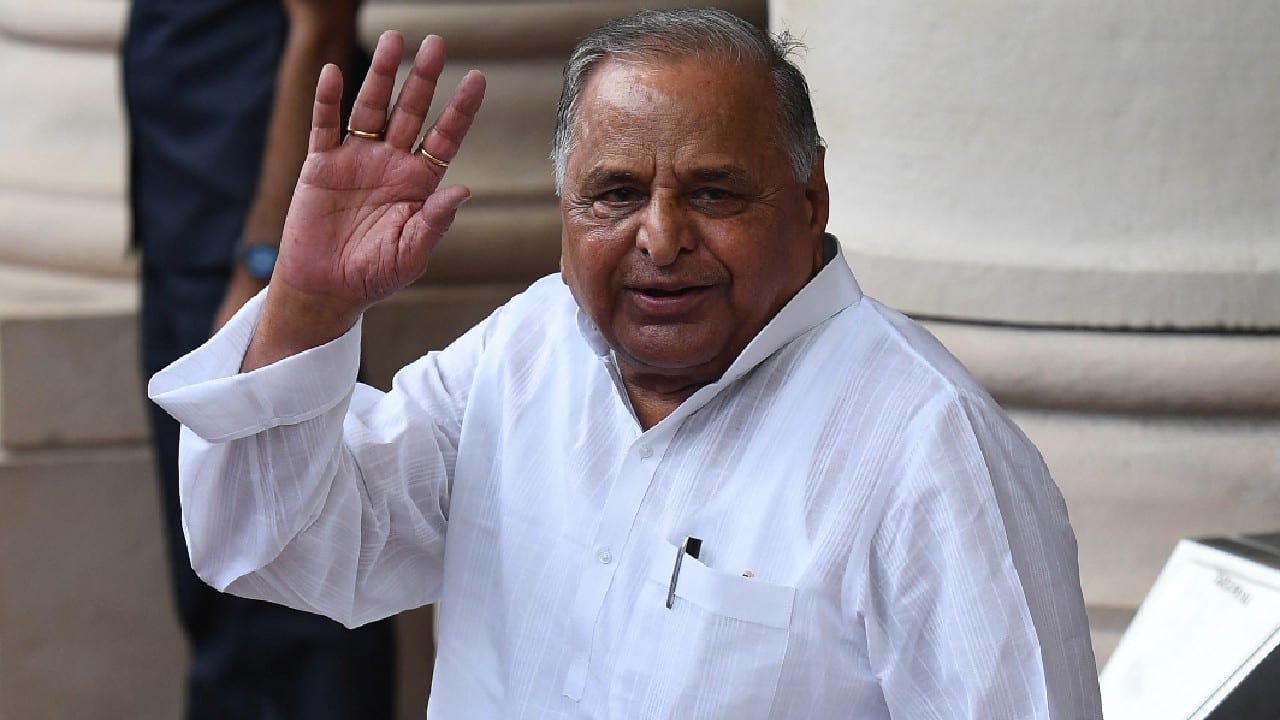
| Attribute | Details |
|---|---|
| Full Name | Mulayam Singh Yadav |
| Popular Name | Netaji |
| Date of Birth | 22 November 1939 |
| Date of Death | 10 October 2022 |
| Age at Death | 82 Years |
| Birthplace | Saifai |
| Nationality | Indian |
| Religion | Hinduism |
| Community | Yadav (OBC) |
| Profession | Politician, Teacher, Agriculturist |
| Former Interests | Wrestling |
| Education | M.A. Political Science, B.A., B.T. |
| Political Party | Samajwadi Party |
| Famous As | Founder of Samajwadi Party and 3-time UP Chief Minister |
| Major Positions | Chief Minister of Uttar Pradesh, Defence Minister of India |
| Spouses | Malti Devi, Sadhana Gupta |
| Children | Akhilesh Yadav, Prateek Yadav |
| Net Worth | Approx. ₹20.56 Crore (2019 affidavit) |
| Awards | Padma Vibhushan (Posthumous, 2023) |
Mulayam Singh Yadav was one of the most powerful and influential political leaders in modern Indian politics. Known widely as “Netaji,” he built a political empire from the dusty lanes of rural Uttar Pradesh and emerged as one of the strongest voices of backward-class politics in North India. His journey from a small farming family in Saifai village to becoming a three-time Chief Minister of Uttar Pradesh and India’s Defence Minister remains one of the most remarkable political stories in the country’s democratic history.
For decades, Mulayam Singh Yadav dominated the political landscape of Uttar Pradesh through his mass connection, grassroots understanding, and ability to mobilize backward classes and minorities. Supporters viewed him as a champion of farmers, Muslims, and OBC communities, while critics accused him of promoting dynasty politics and encouraging strongman culture in regional politics. Despite controversies, his influence on India’s caste-based political structure cannot be denied.
Even after his death in October 2022, his legacy continues through the Samajwadi Party and the leadership of his son, Akhilesh Yadav. His name still commands respect in villages, political circles, and among millions of supporters who saw him as a symbol of social justice and rural empowerment.
Early Life and Childhood
Mulayam Singh Yadav was born on 22 November 1939 in Saifai, a small village in the Etawah district of Uttar Pradesh. He belonged to a modest Yadav farming family. His father, Sughar Singh Yadav, was a hardworking farmer, while his mother Murti Devi managed the household. Life in rural Uttar Pradesh during the 1940s and 1950s was extremely difficult, and the family experienced the struggles common among agricultural communities at the time.
Growing up in Saifai shaped Mulayam’s personality deeply. He developed a tough rural attitude, discipline, and resilience from an early age. Wrestling became his first passion. Like many young boys in North Indian villages, he spent time training in local akharas and dreamed of becoming a wrestler. That background later contributed to his fearless public image and commanding political personality.
Although sports interested him greatly, education also remained important. He attended local schools before pursuing higher education seriously. His academic journey eventually took him beyond his village, helping him develop political awareness and ideological clarity.
Educational Background
Mulayam Singh Yadav completed his higher education from institutions linked to Agra University. He earned:
- A Bachelor’s degree (B.A.)
- Bachelor of Teaching (B.T.)
- Master’s degree in Political Science (M.A.)
His educational achievements were significant for someone from a rural farming background during that era. Before fully entering politics, he worked as a teacher and lecturer, including teaching at a college in Karhal. This teaching background helped him communicate effectively with ordinary people and gave him strong grounding in political thought.
Influence of Socialist Ideology
Mulayam Singh Yadav’s political thinking was strongly shaped by socialist leader Ram Manohar Lohia. During his teenage years, he became inspired by Lohia’s speeches and writings on social justice, equality, anti-Congress politics, and empowerment of backward classes.
Lohia’s ideology became the foundation of Mulayam’s political identity. Throughout his life, he projected himself as a socialist leader fighting for farmers, laborers, backward castes, and minorities against elite domination.
Entry Into Politics
Mulayam Singh Yadav entered politics in the 1960s through socialist movements in Uttar Pradesh. His political journey started with the Samyukta Socialist Party (SSP), where he quickly gained recognition for his aggressive campaigning and strong grassroots connections.
In 1967, he won his first election as an MLA from Jaswantnagar constituency. That victory marked the beginning of a political career that would span more than five decades.
Political Growth During the 1970s
The 1970s were politically turbulent across India. Mulayam Singh Yadav remained active during this period and built his reputation as a grassroots socialist leader. During the Emergency imposed by Indira Gandhi between 1975 and 1977, he was jailed along with many opposition leaders.
His imprisonment strengthened his anti-Congress credentials and helped him gain respect among opposition groups.
Throughout the late 1970s and 1980s, he became one of the strongest OBC leaders in Uttar Pradesh politics. He built support among Yadavs, farmers, laborers, and Muslim communities, which later became the backbone of his political success.
Rise to Power in Uttar Pradesh
First Term as Chief Minister (1989–1991)
In 1989, Mulayam Singh Yadav became Chief Minister of Uttar Pradesh for the first time. This was a major turning point in his career and in UP politics.
His government came during a period of rising communal tension linked to the Ayodhya movement. One of the most controversial moments of his political career occurred in 1990 when police opened fire on kar sevaks during protests related to the Babri Masjid issue.
Supporters praised him for protecting law and order and defending minorities. Critics strongly opposed the action and accused him of minority appeasement. The event permanently shaped his political image across India.
Formation of the Samajwadi Party
After the demolition of the Babri Masjid in 1992, Mulayam Singh Yadav founded the Samajwadi Party.
The party quickly became one of the strongest regional political forces in India. Its political strategy centered around backward-class empowerment and Muslim-Yadav unity, commonly known as the “MY equation.”
This social coalition transformed Uttar Pradesh politics for decades and helped the Samajwadi Party become a dominant force in the state.
Second and Third Chief Minister Terms
Second Term (1993–1995)
Mulayam Singh Yadav returned to power in 1993 through an alliance with Mayawati and the Bahujan Samaj Party.
The alliance was historic because it united OBC and Dalit political forces against the BJP. However, the partnership eventually collapsed due to political tensions and power struggles.
Third Term (2003–2007)
Mulayam Singh Yadav became Chief Minister for the third time in 2003. During this period, his government focused on:
- Rural development
- Infrastructure expansion
- Educational institutions
- Employment initiatives
- Minority welfare schemes
However, the government also faced allegations of corruption, nepotism, and criminal influence in politics. Critics accused the administration of encouraging “goonda raj,” while supporters defended it as a government that empowered marginalized communities.
Role as Defence Minister of India
From 1996 to 1998, Mulayam Singh Yadav served as India’s Defence Minister in the United Front government.
This role elevated his national political profile significantly. During his tenure, he focused on welfare measures for soldiers and improvements within the armed forces.
One of the most appreciated reforms associated with him was improving systems to ensure the bodies of soldiers killed in action were returned promptly to their families with dignity and full honors.
Political Style and Leadership
Mulayam Singh Yadav’s political style was deeply rooted in grassroots mobilization. Unlike elite politicians who depended heavily on urban networks, Mulayam built his support through villages, caste alliances, and direct communication with ordinary people.
Key Characteristics of His Leadership
| Leadership Trait | Description |
|---|---|
| Grassroots Connection | Maintained direct links with rural communities |
| Strong Organizational Skills | Built SP into a powerful regional party |
| Socialist Ideology | Focused on farmers and backward classes |
| Political Flexibility | Formed alliances across ideologies |
| Mass Appeal | Connected strongly with OBC and Muslim voters |
He was known for his simple language, rural image, and ability to understand local political dynamics better than most leaders of his generation.
Family and Personal Life
First Marriage
Mulayam Singh Yadav married Malti Devi at a young age. Their son, Akhilesh Yadav, later became the political heir to the Samajwadi Party.
Malti Devi reportedly suffered severe health complications after childbirth and remained unwell for many years before passing away in 2003.
Second Marriage
Mulayam later married Sadhana Gupta in 2003. Their relationship remained politically sensitive for years before becoming publicly acknowledged.
Prateek Yadav, associated with Sadhana Gupta, remained largely away from frontline politics and maintained a relatively private lifestyle compared to other members of the Yadav family.
Relationship With Akhilesh Yadav
Mulayam Singh Yadav and Akhilesh Yadav shared both political partnership and political conflict over the years.
Akhilesh eventually became Chief Minister of Uttar Pradesh in 2012 and represented a younger, more modern face of the Samajwadi Party. However, internal family disputes later created public tensions within the party, especially involving Shivpal Singh Yadav.
Despite disagreements, Mulayam ultimately remained the emotional center of the Yadav political family.
Mulayam Singh Yadav Net Worth
According to election affidavits and public disclosures from 2019, Mulayam Singh Yadav’s declared assets were estimated at around ₹20.56 crore.
Asset Breakdown
| Asset Type | Estimated Details |
|---|---|
| Agricultural Land | Large holdings in Uttar Pradesh |
| Residential Properties | Properties in Lucknow and Saifai |
| Bank Deposits | Several crore rupees |
| Gold Holdings | Approx. 7.5 kg |
| Vehicles | Luxury and official vehicles |
| Liabilities | Around ₹2.2 crore |
His wealth reflected the financial profile of a major Indian political leader, though he was never publicly associated with billionaire-level corporate business interests.
Lifestyle and Public Image
Despite being one of India’s most influential politicians, Mulayam Singh Yadav maintained a relatively grounded rural image throughout his life.
He preferred traditional attire, village-style interactions, and simple public appearances. Saifai remained emotionally important to him, and he invested heavily in developing the village into a recognizable political and cultural center.
His supporters admired his accessibility and ability to connect with common people, especially farmers and rural communities.
Major Controversies
Mulayam Singh Yadav’s long political career was filled with controversies and criticism.
Babri Masjid and Kar Sevak Firing
The 1990 police firing on kar sevaks remains one of the most debated events associated with his career. While supporters considered it necessary for maintaining law and order, opponents accused him of anti-Hindu politics.
Dynasty Politics
Critics frequently accused Mulayam Singh Yadav of promoting family dominance within the Samajwadi Party. Several members of the Yadav family occupied important political positions over time.
Criminalization Allegations
Opposition parties often accused his governments of supporting muscle power and criminal elements in Uttar Pradesh politics.
Controversial Statements
Some public comments made by Mulayam Singh Yadav on social issues sparked nationwide backlash and criticism during later years.
Awards and Achievements
Mulayam Singh Yadav received several recognitions during and after his political career.
Major Honors
| Award | Year |
|---|---|
| Padma Vibhushan (Posthumous) | 2023 |
| International Jurist Award | 2012 |
| Multiple Electoral Victories | Across five decades |
He was also remembered for:
- Serving multiple terms as MLA and MP
- Becoming one of the longest-serving socialist leaders in India
- Building one of India’s strongest regional political parties
Death and Final Days
Mulayam Singh Yadav passed away on 10 October 2022 at Medanta Hospital in Gurugram after prolonged health complications.
His death triggered widespread mourning across India. Political leaders from different parties, including rivals, paid tribute to his contribution to Indian democracy and socialist politics.
His funeral in Saifai witnessed massive crowds, emotional scenes, and the presence of major political figures from across the country.
Legacy in Indian Politics
Mulayam Singh Yadav’s political legacy remains deeply connected to:
- OBC empowerment
- Socialist politics
- Muslim-Yadav alliance politics
- Regional party dominance
- Rural political mobilization
He changed the political structure of Uttar Pradesh permanently by giving backward communities stronger representation in power.
Even after his passing, the Samajwadi Party remains one of the most influential opposition parties in India under the leadership of Akhilesh Yadav.
Lesser-Known Facts About Mulayam Singh Yadav
Interesting Facts
- He initially wanted to become a professional wrestler.
- He worked as a teacher before entering full-time politics.
- He spent time in jail during the Emergency period.
- He was heavily influenced by socialist ideology from a young age.
- He maintained strong emotional ties to Saifai throughout his life.
- He preferred direct communication over scripted speeches.
- He played a major role in reshaping caste-based politics in North India.
Frequently Asked Questions
Who was Mulayam Singh Yadav?
Mulayam Singh Yadav was an Indian politician, founder of the Samajwadi Party, and three-time Chief Minister of Uttar Pradesh.
Why was Mulayam Singh Yadav called Netaji?
Supporters affectionately called him “Netaji” as a mark of respect for his leadership and grassroots political influence.
How old was Mulayam Singh Yadav when he died?
He was 82 years old at the time of his death in 2022.
Who is Mulayam Singh Yadav’s son?
His most famous son is Akhilesh Yadav.
Which political party did Mulayam Singh Yadav found?
He founded the Samajwadi Party in 1992.
What was Mulayam Singh Yadav’s net worth?
His declared assets in 2019 were estimated at approximately ₹20.56 crore.
Conclusion
Mulayam Singh Yadav remains one of the most influential figures in post-independence Indian politics. His rise from a farmer’s family in Saifai to becoming one of the country’s most powerful regional leaders symbolizes the transformation of caste and grassroots politics in North India.
Love him or criticize him, his impact on Uttar Pradesh and Indian democracy remains undeniable. Through decades of political battles, shifting alliances, electoral victories, controversies, and social movements, Mulayam Singh Yadav created a political legacy that continues to shape Indian politics even after his death.
His story is not merely about power. It is about ambition, resilience, caste identity, rural strength, political survival, and the changing face of democracy in India.