Prince James Uche Biography 2026: Age, Real Name, Nollywood Career, Movies, Net Worth, Family, Illness and Legacy
| Attribute | Details |
|---|---|
| Full Name | Prince James Uche |
| Also Known As | Odigbo (stage association in some productions) |
| Year of Birth | 1962 |
| Age at Death | 54–55 |
| Date of Death | March 8, 2017 |
| State of Origin | Abia State, Nigeria |
| Nationality | Nigerian |
| Ethnicity | Igbo |
| Occupation | Actor, Former AGN Vice President |
| Years Active | 1990s – 2010s |
| Notable Films | Domitilla, Igodo, Force Headquarters, Dons in Abuja |
| Health Issues | Diabetes, kidney failure, hypertension, vision loss |
| Children | At least two sons |
| Spouse | Ekene (reported marital challenges) |
Introduction
Prince James Uche was one of the early pillars of Nollywood, part of the generation that shaped the industry during its raw VHS home-video era. He was known for powerful screen presence, emotional delivery, and strong character interpretation rather than glamour or modern production effects.
He became widely recognized through village dramas, cultural epics, and crime-themed films that defined Nollywood in the 1990s and early 2000s. His performances in classics like Domitilla and Igodo helped shape how Nigerian audiences connected with early film storytelling.
Even after his passing in 2017, his movies continue to circulate online, keeping his legacy active in Nollywood discussions up to 2026.
Early Life and Background
Prince James Uche was born in 1962 in Abia State, Nigeria. He grew up in an Igbo cultural environment where storytelling, tradition, and communal life were deeply influential.
These early experiences shaped his acting style, especially his ability to embody authority figures, elders, and morally complex characters.
Unlike today’s structured film training systems, he developed his craft through stage-like Nollywood productions, where practical experience mattered more than formal education.
Career Journey
Entry into Nollywood
He entered Nollywood in the 1990s during its rapid expansion from stage drama and television into home-video production. This era valued versatility, emotional depth, and raw performance skills.
He quickly became known for:
- Strong supporting roles
- Villain and authority characters
- Community leaders and elder roles
Rise to Recognition
His popularity grew through appearances in major Nollywood titles such as:
- Domitilla
- Igodo
- Force Headquarters
- Dons in Abuja
- Fair Game
- Beyond Pardon
These films were widely distributed in VHS format and became household entertainment across Nigeria and beyond.
His acting style was intense, direct, and emotionally charged, often involving long dialogue scenes and dramatic confrontations.
Industry Collaboration
He worked alongside major Nollywood figures including:
- Pete Edochie
- Zack Orji
- Nkem Owoh (Osuofia)
These collaborations strengthened his reputation as a dependable actor in high-pressure productions.
Leadership Role
Beyond acting, he also served in leadership within the Actors Guild of Nigeria (AGN), where he reportedly held a vice-presidential position. This highlighted his influence and respect within the industry.
Later Years and Health Struggles
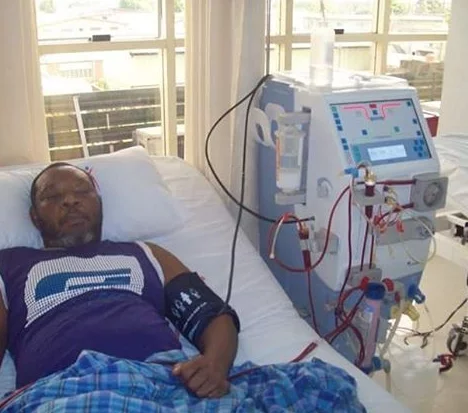
From around 2010, his health began to decline significantly. He battled multiple conditions, including:
- Diabetes
- Kidney failure
- Hypertension
- Progressive vision loss
As his condition worsened, financial difficulties also emerged. Reports at the time indicated struggles with medical bills and unstable living conditions.
His situation drew national attention, sparking conversations about how veteran Nollywood actors are supported after their peak years.
His sons publicly appealed for assistance during his treatment, which further highlighted his condition and triggered industry-wide reactions.
Despite support efforts, his health continued to deteriorate until his passing on March 8, 2017, in Lagos.
Family and Personal Life
He was married to Ekene, though reports suggested the marriage experienced challenges over time, especially during his illness.
He had at least two sons who became publicly involved during his health crisis, appealing for support and assistance.
His family became a central part of his public story, especially during his final years.
Net Worth and Lifestyle
There are no verified official records of his net worth.
However, like many Nollywood actors of his generation, his income came mainly from:
- Frequent acting roles
- Short-term film payments
- No structured royalties or long-term streaming earnings
At his peak, he maintained steady income from consistent roles, but medical expenses and reduced acting opportunities later affected his financial stability.
Unlike modern actors, he did not accumulate widely documented luxury assets or endorsement deals.
Notable Movies and Filmography
Some of his most recognized films include:
- Domitilla
- Igodo
- Force Headquarters
- Dons in Abuja
- Fair Game
- Beyond Pardon
- Several 90s–2000s village epics and action dramas
These films remain popular in classic Nollywood collections and online archives.
Controversies and Public Attention
His later years attracted public discussion due to:
- Family and marital tensions during illness
- Public fundraising appeals
- Debate about Nollywood welfare systems
- Media coverage of his health condition
These events contributed to wider conversations about how actors are treated after fame fades.
Death and Legacy
Prince James Uche passed away on March 8, 2017. His death marked the end of a significant era in early Nollywood history.
He is remembered as part of the foundational generation that built Nigerian home-video cinema under limited resources but strong creativity.
Legacy Impact
- Remembered as a strong character actor of early Nollywood
- His films remain part of classic Nollywood archives
- His story is often referenced in actor welfare discussions
- Continues to receive posthumous recognition through digital replays
Conclusion
Prince James Uche remains an important figure in Nigerian cinema history. His career reflects both the strength and challenges of early Nollywood actors who built the industry without modern financial or healthcare structures.