Wale Biography: Real Story Behind His Comeback
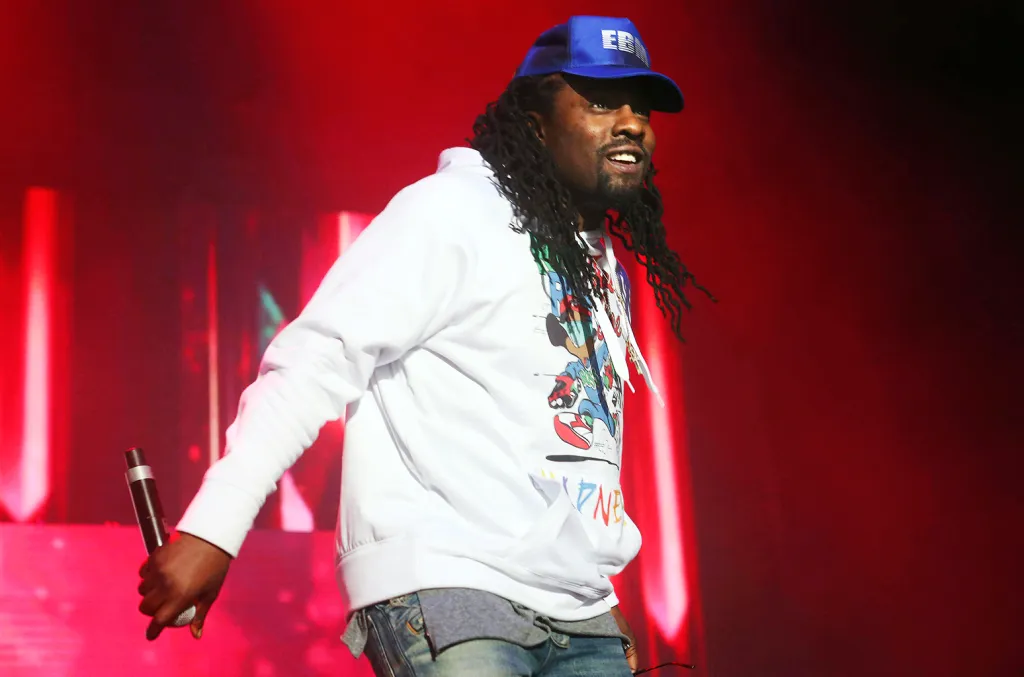
When people talk about Nigerian influence in American hip-hop, one name that always finds its way into the conversation is Wale. Not because he makes noise online. Not because he chases trends. But because he built his lane patiently, stayed rooted in culture, and kept evolving even when the industry shifted.
Wale is not just another rapper with Nigerian blood. He is one of the few artists who successfully blended Washington D.C.’s go-go sound with mainstream hip-hop while still carrying his Yoruba identity with pride. His journey has been full of wins, misunderstandings, silent battles, and serious musical moments that shaped his career.
Early Life and Background
Wale was born Olubowale Victor Akintimehin in Northwest Washington, D.C. He grew up in a hardworking immigrant home. His parents are Yoruba from southwestern Nigeria. They relocated to the United States in search of better opportunities and raised him with strong cultural discipline.
He spent his early childhood in the Brightwood area of D.C. before the family moved to Montgomery County, Maryland. That move exposed him to a different environment and shaped how he saw ambition, education, and competition.
He attended several high schools and later graduated from Quince Orchard High School. Football was his first dream. He earned scholarship opportunities at Robert Morris University, Virginia State University, and Bowie State University. Academics became a struggle, and eventually he made the bold decision to leave school and chase music fully.
Education and Early Influences
Even though he did not complete university, Wale’s education did not stop in the classroom. He was heavily influenced by Washington D.C.’s go-go music scene. Go-go is a percussion-driven genre rooted in funk and rhythm, and it shaped his early sound.
One of his breakout tracks, “Dig Dug (Shake It),” paid tribute to Ronald “Dig Dug” Dixon of the Northeast Groovers. That record positioned him as a local star before national recognition came.
He has openly acknowledged inspirations like Jay-Z, Rick Ross, and producer Mark Ronson, who later played a major role in discovering him.
Career Journey and Breakthrough
Wale’s professional rise started with mixtapes that circulated around D.C. His early projects created a strong underground buzz.
After catching the attention of Mark Ronson, he signed to Allido Records. That partnership opened doors to a larger audience and industry connections. Soon after, he secured a major deal with Interscope Records.
His debut album Attention Deficit introduced him to the Billboard charts. Later projects took things further:
- Ambition debuted high on Billboard 200.
- The Gifted reached number one.
- The Album About Nothing also topped the charts and featured comedian Jerry Seinfeld, which became a unique creative collaboration.
- Wow… That’s Crazy strengthened his mainstream presence.
- Folarin II reconnected him to his roots.
He joined Maybach Music Group under Rick Ross, contributing to the Self Made compilation projects. Years later, creative differences led to his exit from the label.
His recent album Everything Is a Lot marked another phase of reinvention, blending hip-hop with Afrobeats elements.
Age
Wale was born on September 21, 1984. He is currently 41 years old.
Net Worth and Income Sources
Wale’s estimated net worth stands between $4 million and $6 million based on music sales, streaming revenue, touring, partnerships, and brand collaborations.
His income streams include:
- Album sales and streaming royalties (over 5 billion global streams)
- Concert tours
- Record label earnings
- Brand collaborations including sneaker partnerships
- Acting roles
- WWE collaborations through his annual WaleMania event
He also co-founded The Board Administration label, adding business ownership to his portfolio.
Music Style and Major Songs
Wale’s style stands out because of his fusion approach. He mixes go-go percussion, lyric-driven hip-hop, cultural commentary, and modern Afrobeats influence.
Some of his most recognized songs include:
- “Lotus Flower Bomb” featuring Miguel
- “Bad” featuring Tiara Thomas
- “On Chill” featuring Jeremih
- “No Hands” alongside Waka Flocka Flame
A recent collaboration, “Blood on the Dance Floor,” with Odumodublvck and Bloody Civilian, became a chart-topping record in Nigeria and marked his strongest African chart impact to date.
Wife, Relationships and Family
Wale is not married.
He keeps his relationships private and rarely discusses them publicly. There were past rumors involving Solange Knowles, but both clarified that they were close friends.
He is a father and speaks respectfully about fatherhood, although he shields his children from public exposure.
His Nigerian heritage remains important to him, and he frequently celebrates Yoruba culture in interviews and music.
Controversies
Wale’s career has not been free from criticism.
A canceled performance at a D.C. event led to backlash after misunderstandings about the event type. He later addressed the issue publicly.
His departure from Maybach Music Group created speculation about tension with Rick Ross. Wale described it as creative differences.
There have also been online moments where younger audiences did not recognize him, which he openly admitted felt confusing. Instead of reacting aggressively, he handled it calmly.
Cars and Lifestyle
Wale owns property in Washington, D.C. His home is described as comfortable and stylish rather than flashy.
His car collection reportedly includes luxury vehicles such as a Lamborghini Aventador and a Bentley Continental GT. Still, he is known to prioritize comfort and practicality over extreme display.
Frequently Asked Questions
What is Wale’s real name?
Olubowale Victor Akintimehin.
Is Wale Nigerian?
He is American born with Yoruba Nigerian parents.
What is Wale’s biggest song?
“Lotus Flower Bomb” remains one of his most commercially successful singles.
Is Wale married?
No, he is not married.
What makes Wale different from other rappers?
His fusion of go-go music, hip-hop lyricism, and Nigerian cultural identity gives him a unique sound.
Wale’s story is not built on constant headlines. It is built on consistency, cultural pride, and artistic growth. From D.C. mixtapes to Billboard number one albums and African chart success, he carved his own space without abandoning his roots.
His journey shows resilience, identity awareness, and long-term relevance. Whether in America or Africa, Wale remains one of the strongest bridges between hip-hop and Nigerian heritage.