
Richie Beirach Biography, Career, Wife, Death, & Music Legacy
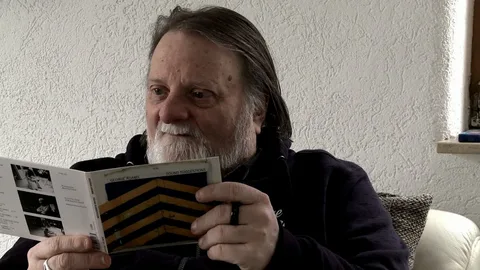
When people talk about deep harmony and emotional jazz piano that speaks straight to the soul, Richie Beirach’s name always comes up. His journey was never about chasing noise or mainstream spotlight. It was about music, pure music. The kind that grows slowly on you and stays forever. From Brooklyn to Europe, from small club performances to international jazz stages, his life was built around discipline, creativity, and an uncompromising love for sound.
Early Life and Background
Richie Beirach, whose full name was Richard Alan Beirach, was born on May 23, 1947, in Brooklyn, New York City. He grew up in a quiet household where structure and discipline shaped his early years. Music entered his life very early. By the age of five, he had already started playing the piano.
From age six through his teenage years, he received serious classical training under James Palmieri. This training was not just about technique. It focused on understanding the meaning behind music. He studied composers like Mozart and Beethoven deeply before jazz ever came into the picture.
Everything changed when he heard Red Garland’s improvisation on “Billy Boy” from Miles Davis’ album Milestones. That moment introduced him to improvisation and shifted his attention toward jazz completely. During high school, he studied with jazz theorist Lennie Tristano, which helped shape his understanding of harmony and structure.
Before success came, he worked regular jobs including dock work just to survive while playing in New York clubs. That humble beginning defined his discipline and resilience.
Education and Musical Development
In 1967, Beirach briefly attended Berklee College of Music. He later continued his education at the Manhattan School of Music, where he earned a master’s degree in music theory and composition. His academic training strengthened his already advanced harmonic understanding.
His style blended classical depth with post-1960s jazz exploration. Unlike many pianists who stuck to predictable patterns, he explored chromatic harmony and reharmonization with bold creativity. His playing felt lyrical yet intellectually rich.
Career Journey and Major Breakthrough
Beirach’s professional career began gaining serious attention when he worked with Stan Getz. He also performed alongside musicians like Chet Baker. However, one of the most important partnerships in his life was with saxophonist Dave Liebman. Their musical relationship lasted decades and became one of the defining collaborations in modern jazz.
In the 1970s, he became closely associated with ECM Records, a label known for its high artistic standards. His debut as a leader on ECM, Eon, introduced listeners to his signature harmonic language.
One of his most recognized albums remains Elm, released in 1979. The trio session featured George Mraz and Jack DeJohnette and became a reference point for jazz piano enthusiasts. His solo album Hubris also showed his fearless approach to harmony and structure.
Over his lifetime, he appeared on more than 400 recordings as a leader, sideman, and collaborator. His work covered solo piano, duos, trios, quartet settings, and large collaborations. He was never boxed into one format.
Teaching Career and Life in Germany
Beyond performing, Richie Beirach was a respected educator. He later moved to Germany and became a professor of jazz piano at the Felix Mendelssohn Bartholdy University in Leipzig. He taught beyond normal retirement age, mentoring young musicians who later became serious performers themselves.
His teaching philosophy focused on understanding musical lineage, discipline, and harmonic awareness. He also authored instructional materials that helped advanced jazz students refine their craft.
Personal Life, Wife and Family
Richie Beirach was born to Irving and Beatrice Beirach in Brooklyn. He was briefly married in the 1980s to pianist LeeAnn Ledgerwood. Their relationship was both personal and musical, and although the marriage did not last, they remained connected professionally. She later confirmed his passing. In his later years, he resided in Germany, particularly in Heßheim.
He was not known for luxury lifestyle, flashy cars, or public displays of wealth. His focus remained strictly on music and teaching.
A fundraising effort organized by close collaborators helped support his medical expenses during his final health struggles. There is no record of business ventures, endorsement deals, or sponsorship arrangements linked to him.
Health Struggles and Death
In his final years, Richie Beirach faced serious health challenges. Medical complications and extended hospital stays limited his public activity.
He passed away on January 26, 2026, in Worms, Germany, at the age of 78. His death triggered tributes across the jazz community. Major jazz publications, musicians, and former students acknowledged his contribution to harmonic innovation and education.
His passing marked the end of a remarkable chapter in modern jazz history.
Musical Style and Legacy
Richie Beirach’s sound was emotional but intellectually layered. He blended classical structure with modern jazz improvisation in a way that felt both thoughtful and spontaneous.
He drew inspiration from classical composers, painters, and poetry. Albums such as Water Lilies were influenced by impressionist art, while other works reflected literary inspiration.
He was not a chart-topping pop figure, and he never aimed for mainstream trends. His influence lived within serious jazz circles, conservatories, and among musicians who study harmony deeply.
His partnership with Dave Liebman and projects like Quest helped shape post-1960s jazz evolution. Younger pianists often reference his chromatic approach and reharmonization techniques when discussing advanced jazz piano.
Frequently Asked Questions
Who was Richie Beirach?
Richie Beirach was an American jazz pianist, composer, and educator known for his advanced harmonic style and decades-long contribution to modern jazz.
When was Richie Beirach born?
He was born on May 23, 1947, in Brooklyn, New York City.
When did Richie Beirach die?
He passed away on January 26, 2026, in Germany.
Who was Richie Beirach’s wife?
He was previously married to pianist LeeAnn Ledgerwood. They later separated but remained musically connected.
What is Richie Beirach known for?
He is known for albums like Elm, his ECM recordings, his partnership with Dave Liebman, and his long teaching career in Germany.