Willie Colón Biography, Music, Family, Net Worth, and Legacy of the Salsa Icon
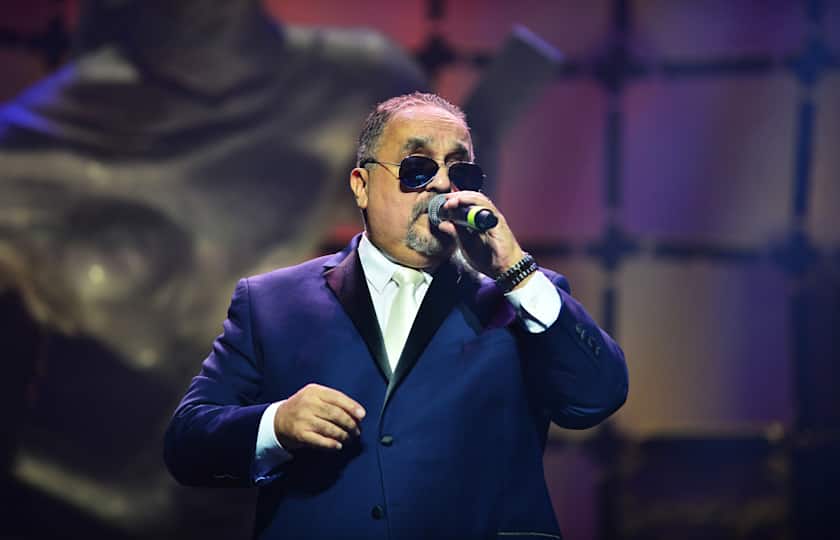
For decades, Willie was just making music; he was shaping a movement, speaking for a generation, and building a sound that refused to be ignored. From tough beginnings to global recognition, his journey is one that still inspires artists and fans everywhere.
In this detailed biography, we are walking through everything you need to know about Willie Colón—his early life, music career, family, political involvement, net worth, and the legacy he leaves behind.
Early Life and Background
Willie Colón, born William Anthony Colón Román on April 28, 1950, in the South Bronx, New York, was raised in a Puerto Rican household during a period when Latino families were building strong communities in urban America. Life was not luxury. It was survival, culture, and hustle.
He was largely raised by his grandmother, Antonia, fondly called Toña, who worked tirelessly in a sweatshop to support the family. She made sure he stayed connected to his Spanish roots at a time when many families were shifting to English for survival in America. Summers spent in Puerto Rico deepened his identity and strengthened his connection to the culture that would later define his music.
He started playing trumpet as a child but later switched to trombone. That switch changed everything. Inspired by the raw, powerful trombone sounds of Latin music pioneers, he developed a style that would later become a signature in salsa music.
Breakthrough with Fania Records
As a teenager, Willie Colón caught the attention of Fania Records, the label that would become the heart of the salsa explosion in New York.
At just 17, he released his debut album, El Malo. The album didn’t just introduce him; it shook the scene. It carried a bold street image, reflecting Bronx life, blending Latin rhythms with urban storytelling. That “bad boy” branding worked. It gave salsa a fresh attitude.
Soon after, he partnered with Héctor Lavoe, and together they created one of the most powerful duos in salsa history. Albums like Cosa Nuestra changed the direction of Latin music. Their chemistry was natural, emotional, and unforgettable.
Career Highlights and Defining Albums
Willie Colón was never just a trombonist. He was a composer, producer, arranger, and visionary. He understood structure. He understood rhythm. And more importantly, he understood people.
One of his biggest milestones came with the album Siembra, recorded with Rubén Blades. That project became the best-selling salsa album of all time. Songs like “Pedro Navaja” and “El Gran Varón” went beyond dance floors. They addressed real social issues, identity struggles, and community challenges.
He also worked with legends like Celia Cruz, expanding his influence across generations. His catalog spans over 40 albums, and his global sales crossed 30 million records.
Willie did not follow trends. He created them.
Musical Style and Cultural Impact
What made Willie Colón different was his blend. He fused jazz, Afro-Caribbean rhythms, street narratives, and political awareness into one powerful sound.
He brought the trombone to the front of salsa arrangements, giving it a gritty, urban flavor that separated his music from traditional Latin orchestras. His work represented the Puerto Rican diaspora experience in New York. It was honest, sometimes controversial, and always real.
He earned nicknames like El Malo del Bronx and El Varón de la Salsa because his music carried authority.
Political Involvement and Activism
Willie Colón was never silent about social issues. From a young age, he supported community activism and Latino representation.
He worked with political leaders in New York and even ran for public office. Over the years, his political opinions shifted, and he became outspoken on national and international matters. Some fans supported him strongly. Others disagreed. But one thing remained consistent—he always spoke his mind.
That bold personality extended beyond music and into public life.
Family and Personal Life
Willie Colón married Julia Colón Craig in 1991. Their marriage lasted over three decades. Together, they built a family foundation that stayed mostly private despite his public career.
He had four sons: William, Alejandro, Patrick, and Adam. Through all the fame, tours, and political debates, family remained central in his life.
In 2021, he survived a serious accident that left many fans worried. He recovered and continued appearing in public events afterward.
He passed away on February 21, 2026, in Bronxville, New York, after complications related to breathing issues. His family confirmed he passed peacefully, surrounded by loved ones.
Net Worth and Sources of Income
At the time of his passing, Willie Colón’s estimated net worth stood around 20 million US dollars.
His wealth came from:
• Album sales exceeding 30 million records
• Royalties from streaming platforms
• Touring revenue
• Production and arrangement credits
• Acting appearances
• Ownership of his music catalog
When converted to Nigerian Naira at recent exchange rates, that value is approximately ₦26 billion.
Unlike many entertainers, he did not publicly showcase luxury lifestyles. His financial strength was rooted in intellectual property, music ownership, and long-term royalties.
Awards and Recognition
Willie Colón received numerous honors during his lifetime, including:
• Latin Grammy Lifetime Achievement Award
• International Latin Music Hall of Fame induction
• Latin Songwriters Hall of Fame recognition
• Ellis Island Medal of Honor
These awards confirmed his influence not just in music but also in culture and representation.
Social Media Presence
Even in later years, he remained active online, sharing opinions, music updates, and personal views.
He built large followings across Facebook, Instagram, and X, where his posts often sparked discussions. After his passing, tributes flooded these platforms from fans, artists, and cultural leaders worldwide.
Legacy and Lasting Influence
Willie Colón’s legacy is not limited to charts or sales numbers. He helped define the golden era of salsa. He opened doors for Latino musicians in mainstream America. He proved that street stories could become global anthems.
His music continues to stream in massive numbers. New generations are discovering classics like “Pedro Navaja” and “Talento de Televisión,” keeping his catalog alive.
He built a bridge between culture and commerce, art and activism.
That is not temporary fame. That is lasting impact.
Frequently Asked Questions
How old was Willie Colón when he died?
He was 75 years old at the time of his passing.
Who was Willie Colón’s wife?
He was married to Julia Colón Craig for over 30 years.
What is Willie Colón best known for?
He is best known as a salsa pioneer, trombonist, producer, and cultural voice who helped shape the New York salsa movement.
What was Willie Colón’s net worth?
His estimated net worth was around 20 million US dollars.
Did Willie Colón work with Héctor Lavoe?
Yes, their collaboration became one of the most influential partnerships in salsa history.
Final Thoughts
From the Bronx streets to international stages, Willie Colón built more than a career. He built a movement. His sound carried history, struggle, pride, and rhythm all at once. Even after his passing, the music speaks loud.