
Stephen Hendry vs Ronnie O’Sullivan “Chalk-Gate” Controversy (2026 World Snooker Championship)
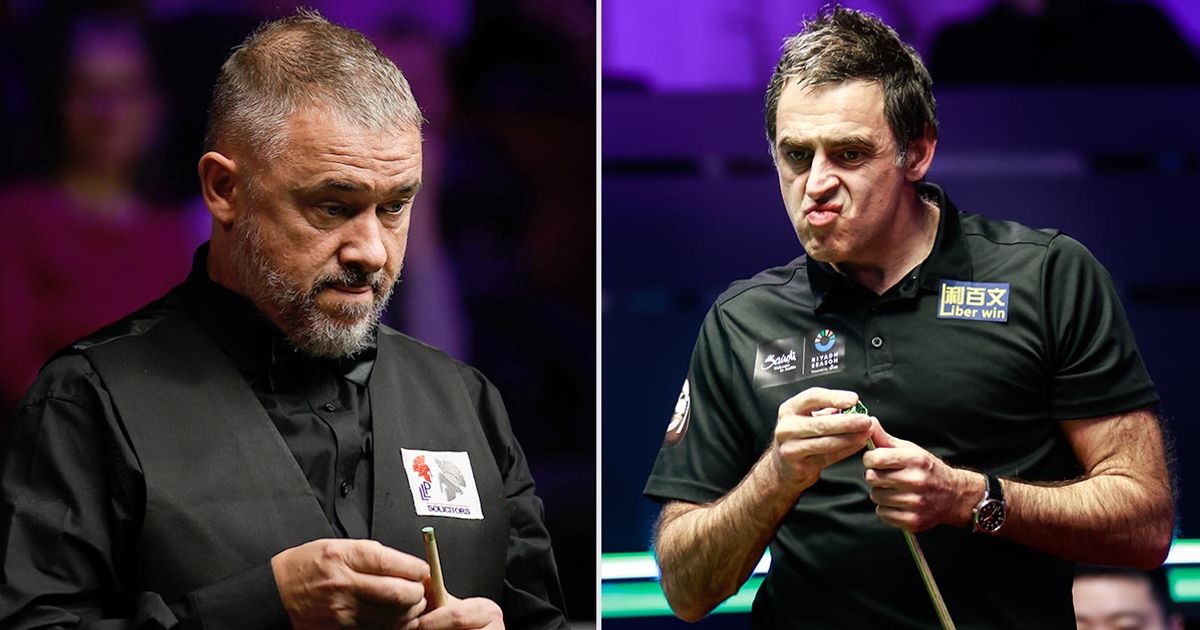
The 2026 World Snooker Championship at the Crucible became more than just another battle for the title. It also reignited one of snooker’s most talked-about modern debates: equipment standards, fairness, and playing conditions. At the center of it was a growing controversy loosely labeled “Chalk-gate,” which unexpectedly pulled two of the sport’s greatest names back into public disagreement, Stephen Hendry and Ronnie O’Sullivan.
What started as a technical discussion about cue chalk quickly escalated into a wider conversation about fairness, tradition, and how the modern game should be played at the highest level.
What “Chalk-Gate” Is About
“Chalk-gate” refers to a debate over the type of chalk used on cue tips during professional snooker matches. While most professional players use modern, highly consistent chalk designed to reduce miscues, Ronnie O’Sullivan remains one of the few top players still associated with more traditional chalk usage styles and preferences.
The controversy became louder during the 2026 World Championship when multiple players and analysts suggested that different chalk types may influence:
- The frequency of miscues
- The amount of chalk residue left on the cloth
- The likelihood of “kicks” (unexpected cue ball deflections)
- Overall table consistency during long matches
Critics argue that certain chalk types can subtly affect fairness and match flow, especially at elite level where margins are extremely small.
One of the loudest voices in the debate was Neil Robertson, who suggested that equipment differences might be affecting the spectacle and consistency of play.
Stephen Hendry’s Position on the Issue
On his Stephen Hendry’s Cue Tips YouTube platform, Hendry addressed the growing conversation directly. Known for his straightforward analysis of the modern game, Hendry did not dismiss the issue.
He openly acknowledged that repeated miscues and table inconsistencies have become more noticeable in recent seasons. While handling his own chalk during discussion, he suggested that the issue might be bigger than individual preference.
Hendry’s key stance can be broken down into three main points:
First, he agreed that excessive chalk residue and inconsistent contact could disrupt the flow of matches, especially on televised tables where precision matters.
Second, he expressed that if certain chalk types are contributing to a less visually clean game, then governing bodies should seriously consider regulation or even restriction.
Third, he stated that while he respects O’Sullivan’s personal choice, the overall effect on the sport as a spectacle is what matters most.
His most controversial remark was that, given the option, he would prefer not to deal with the issue at all in competition settings, even if that indirectly meant avoiding facing O’Sullivan under those conditions. However, he also clarified that there was no suggestion of malicious intent from O’Sullivan.
Ronnie O’Sullivan’s Position and Playing Style
Ronnie O’Sullivan has long been known for his fast, instinctive style of play, earning him the nickname “The Rocket.” His approach to the game has always combined natural talent with personal preference in equipment choices.
In the context of Chalk-gate, O’Sullivan’s position is not framed as a protest but rather as consistency with his long-standing habits. He has historically preferred tools and conditions that feel natural to him rather than adapting to every evolving technical standard in the sport.
Supporters of O’Sullivan argue that:
- Elite players should have freedom in equipment preference
- Natural feel is part of performance consistency
- Changing chalk regulations could disrupt established rhythm in the sport
However, critics argue that at the highest level of professional snooker, even small equipment differences can create competitive imbalance.
Neil Robertson’s Contribution to the Debate
Neil Robertson played a key role in bringing attention to the technical side of the issue. His comments focused less on personalities and more on playing conditions.
Robertson suggested that modern chalk systems may influence:
- Table cleanliness during long sessions
- The frequency of accidental kicks
- Visual clarity for both players and audiences
His perspective helped shift the debate from personal preference into a broader discussion about whether snooker needs stricter equipment standardization at the professional level.
Historical Rivalry Between Hendry and O’Sullivan
The Chalk-gate discussion gained extra attention because it sits on top of a long and complex history between the two legends.
Stephen Hendry dominated snooker during the 1990s, winning seven World Championships and setting a standard of precision and mental control that defined an era. Meanwhile, Ronnie O’Sullivan emerged as a generational talent with a more expressive and instinct-driven style.
Their rivalry includes several memorable moments:
- In the early 2000s, particularly the 2002 World Championship semi-final, tensions rose after verbal exchanges before the match. Hendry went on to win that encounter.
- During the 2006 UK Championship, O’Sullivan famously walked out during a match against Hendry, adding another layer of drama to their history.
- Over the years, both players have alternated between criticism and admiration for each other’s careers, especially around legacy discussions and world title records.
Despite competitive tension, both have repeatedly acknowledged each other’s greatness. Hendry has praised O’Sullivan’s natural ability, while O’Sullivan has credited Hendry’s dominance as setting the standard he later challenged.
How Chalk-Gate Fits Into Their Legacy
Chalk-gate is not just a technical argument; it reflects a deeper philosophical difference between two eras of snooker.
Hendry represents structured dominance — a system-based approach built on discipline, repetition, and control. O’Sullivan represents instinctive brilliance — a style driven by feel, creativity, and speed.
Because of this contrast, even small debates about equipment become symbolic of larger questions:
- Should snooker prioritize tradition or innovation?
- Should player preference override standardized conditions?
- Where is the line between fairness and individuality?
This is why the controversy gained attention far beyond normal technical discussions.
Impact on Modern Snooker
The discussion has already influenced how fans, analysts, and professionals view the modern game.
Key impacts include:
- Increased attention on equipment regulation in tournaments
- Greater scrutiny of playing conditions during televised matches
- Renewed debates about standardization versus player freedom
- Stronger media focus on behind-the-scenes technical factors
It also shows how the sport continues to evolve even after decades of established traditions.
Conclusion
The 2026 Chalk-gate controversy shows that even in a sport as traditional as snooker, small technical details can spark major debates when the game’s biggest names are involved. The disagreement between Stephen Hendry and Ronnie O’Sullivan is not simply about chalk. It reflects deeper questions about fairness, evolution, and identity in modern snooker.
With opinions still divided and no formal rule changes confirmed, the debate continues to shape conversations around how the sport should balance tradition with performance standards in the years ahead.