Hantavirus in Nigeria: Everything Nigerians Need to Know in 2026
Public concern around Hantavirus has increased globally in recent months following reports of infections linked to an international cruise ship outbreak. Across social media, many Nigerians have also started asking questions about whether the virus has entered the country, how dangerous it is, and if there is any reason to panic.
As of May 2026, health authorities in Nigeria have confirmed that there are no recorded or confirmed cases of Hantavirus anywhere in the country. The Nigeria Centre for Disease Control and Prevention (NCDC) has continued monitoring the global situation while strengthening public health surveillance and awareness.
Even though the current risk in Nigeria remains low, understanding the virus, how it spreads, its symptoms, and prevention methods is important, especially in a country where rodent-related diseases already exist.
What is Hantavirus?
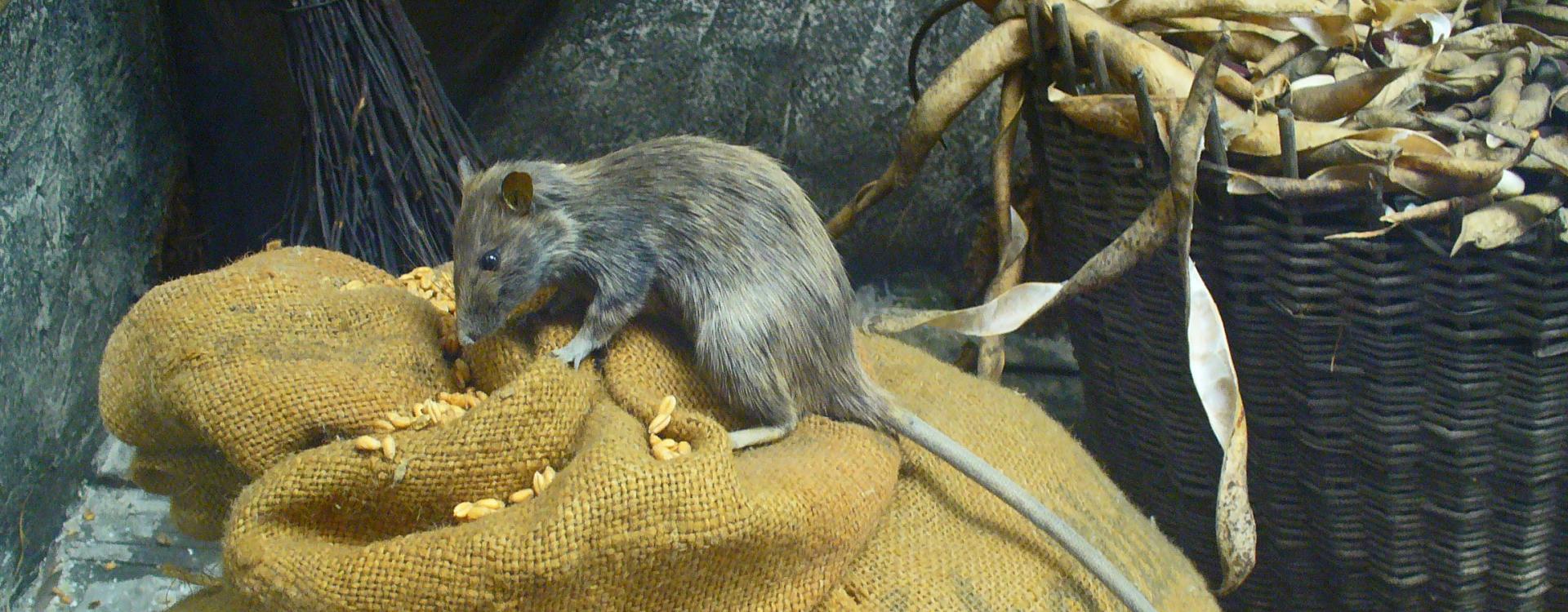
Hantavirus refers to a group of viruses mainly carried by rodents. Humans can become infected after exposure to infected rats, mice, or contaminated materials such as urine, saliva, droppings, or nesting materials.
The virus is known in different parts of the world and can cause serious illness affecting the lungs, kidneys, and other organs depending on the strain involved.
Different types of Hantavirus exist across regions including North America, South America, Europe, and parts of Asia. Some strains are more dangerous than others, while a few are capable of causing severe respiratory complications.
One of the most discussed strains recently is the Andes virus, which has drawn attention because of reports suggesting limited person-to-person transmission in close-contact situations.
Unlike many common viral infections, Hantavirus is not widespread globally, and outbreaks are usually linked to specific environmental exposure involving rodents.
Is Hantavirus in Nigeria?
As of May 2026, Nigeria has not recorded any confirmed or suspected Hantavirus case.
The NCDC has publicly stated that there is currently no evidence of local transmission or outbreak within the country. Health officials are, however, maintaining active surveillance because of recent international developments involving cruise ship passengers and travelers.
Authorities have also intensified monitoring at ports of entry and are encouraging public awareness regarding rodent control and environmental sanitation.
The overall public health risk in Nigeria is presently considered low.
Why People Are Talking About Hantavirus in 2026
The recent global attention surrounding Hantavirus began after reports emerged involving infections connected to a cruise ship known as MV Hondius.
The vessel reportedly traveled from parts of South America toward regions connected to the Canary Islands and Cape Verde area. A small number of confirmed infections and fatalities among passengers and crew triggered international monitoring and travel-related concern.
Although the outbreak remained limited, news of deaths linked to the virus quickly spread online, causing public anxiety in several countries.
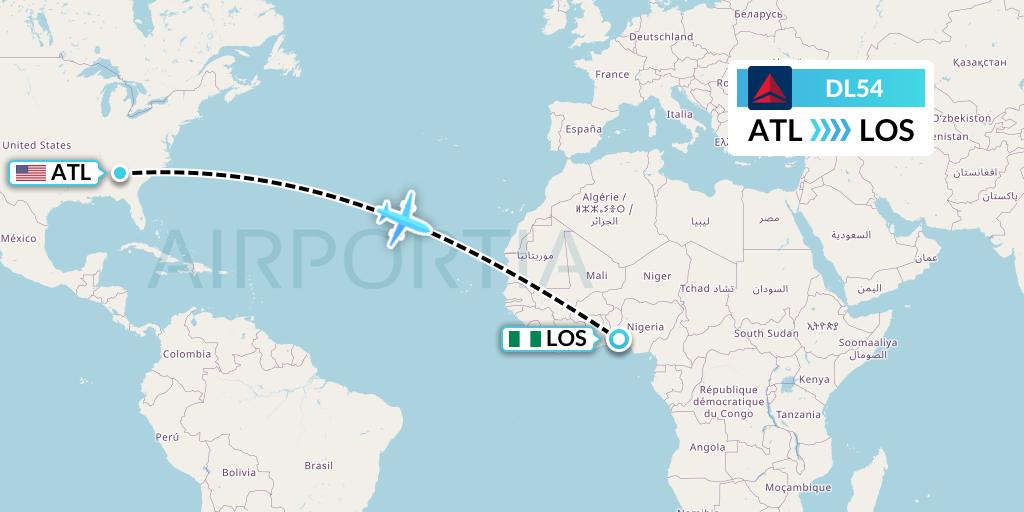
Some African travel routes and locations became part of discussions because of passenger movement, but no major outbreak has been reported across Africa.
Nigeria’s public health authorities responded by increasing preparedness and surveillance while assuring citizens that there was no cause for panic.
How Hantavirus Spreads
Hantavirus mainly spreads through exposure to infected rodents or contaminated environments.
People can become infected when they inhale tiny airborne particles contaminated with rodent urine, droppings, or saliva. This often happens in enclosed or dusty spaces that have not been cleaned properly for long periods.
The virus may also spread through:
- Touching contaminated surfaces and then touching the nose, mouth, or eyes
- Handling infected rodents directly
- Rodent bites in rare cases
- Contact with rodent nests or nesting materials
Most Hantavirus strains do not spread easily from person to person.
However, the Andes virus strain has shown limited human-to-human transmission in very close-contact situations, particularly among family members or caregivers.
This is one reason health agencies globally are closely monitoring recent international cases.
Common Symptoms of Hantavirus
Early symptoms of Hantavirus often resemble flu or malaria, making it difficult to identify immediately without medical evaluation.
Symptoms may include:
- Fever
- Fatigue
- Severe headache
- Muscle pain
- Chills
- Dizziness
- Nausea
- Vomiting
- Abdominal pain
As the illness progresses, some patients may develop more serious complications including:
- Shortness of breath
- Chest tightness
- Respiratory distress
- Fluid buildup in the lungs
- Pneumonia-like symptoms
- Kidney complications
- Internal bleeding symptoms in severe strains
In dangerous cases, breathing can become extremely difficult within a short time.
Early medical attention is very important, especially after possible rodent exposure or recent international travel.
Can Hantavirus Be Treated?
There is currently no specific antiviral cure or approved vaccine widely available for Hantavirus.
Treatment mainly focuses on supportive medical care.
Patients with severe symptoms may require:
- Oxygen therapy
- Intensive care monitoring
- Ventilator support
- Fluid management
- Hospitalization
Doctors usually focus on stabilizing breathing and supporting the body while the immune system fights the infection.
Early detection improves survival chances significantly, especially before severe respiratory complications begin.
Why Nigeria Is Taking the Situation Seriously
Although no case has been confirmed in Nigeria, health officials understand the importance of preparedness.
Nigeria already deals with rodent-related diseases, especially Lassa fever, which remains endemic in several states.
Because both illnesses involve rodents and environmental exposure, public health agencies are using existing disease surveillance systems to monitor for unusual symptoms or imported infections.
The country’s previous experience managing infectious disease outbreaks has also helped improve emergency response systems, airport monitoring, laboratory preparedness, and public health communication.
Health authorities continue encouraging citizens to focus on prevention instead of panic.
Difference Between Hantavirus and Lassa Fever
Many Nigerians have compared Hantavirus to Lassa fever because both are associated with rodents.
However, the two illnesses are different viruses with separate characteristics.
Lassa fever is already established in West Africa and spreads mainly through exposure to urine or droppings from multimammate rats.
Hantavirus, on the other hand, is more commonly linked to various rodent species found in regions outside West Africa.
Both diseases may initially appear similar because they can begin with fever, weakness, and body pain.
However, severe Hantavirus infections are often strongly associated with lung complications and breathing difficulties.
Lassa fever may involve bleeding complications, hearing loss, and organ damage depending on severity.
Despite these differences, the prevention methods for both diseases overlap heavily because environmental hygiene and rodent control remain critical.
How Nigerians Can Protect Themselves
Preventing rodent infestation remains the best protection against Hantavirus and similar infections.
Health experts advise Nigerians to maintain proper sanitation both at home and in workplaces.
Important prevention steps include:
Keep Surroundings Clean
Dirty environments attract rodents quickly.
Dispose of waste properly, clear bushes around buildings, and avoid leaving food particles exposed overnight.
Store Food Safely
Use tightly sealed containers for food storage to prevent contamination from rats or mice.
Open food exposure increases rodent activity indoors.
Seal Entry Points
Small holes, roof spaces, cracks, and drainage openings should be sealed to prevent rodents from entering homes.
Avoid Direct Contact With Rodents
Dead rats, nests, droppings, or rodent-infested materials should not be handled carelessly.
Use gloves and protective materials if cleanup becomes necessary.
Clean Carefully
Avoid sweeping dry rodent droppings directly because it can release contaminated particles into the air.
Instead:
- Use disinfectants
- Spray affected areas lightly before cleaning
- Wear masks and gloves
- Use wet cleaning methods
Wash Hands Regularly
Hand hygiene remains important after handling waste, cleaning dusty areas, or touching potentially contaminated surfaces.
Should Nigerians Panic?
There is currently no reason for panic in Nigeria.
No confirmed infections have been reported in the country, and health authorities continue active monitoring of the international situation.
The present focus is mainly on preparedness, awareness, and prevention.
Public health experts believe maintaining environmental cleanliness and reducing rodent exposure are the most important steps Nigerians should prioritize.
People experiencing severe flu-like symptoms after rodent exposure or recent international travel should seek medical attention early instead of self-medicating.
Global Hantavirus Situation in 2026
Globally, Hantavirus remains relatively rare compared to more widespread viral diseases.
Most reported outbreaks are localized and connected to environmental exposure involving rodents.
The recent cruise ship-related cases brought renewed international attention because of travel movement and fatalities reported among a limited number of passengers.
Countries across different regions are monitoring travelers and reviewing public health preparedness measures.
Despite increased discussion online, health authorities have not declared a global emergency related to Hantavirus.
Final Thoughts
Hantavirus may sound frightening because of the severe complications associated with some strains, but the current situation in Nigeria remains stable with zero confirmed cases as of May 2026.
The growing public conversation around the virus mainly stems from international reports connected to a limited cruise ship outbreak and ongoing global monitoring.
For Nigerians, the most important takeaway is prevention through proper sanitation, rodent control, and environmental hygiene.
Nigeria’s health authorities are already monitoring developments closely, while the public is being encouraged to stay informed through verified health updates instead of social media panic.
At this stage, awareness and cleanliness remain far more important than fear.