Jeffrey Epstein Biography, Career, Net Worth, & Controversies

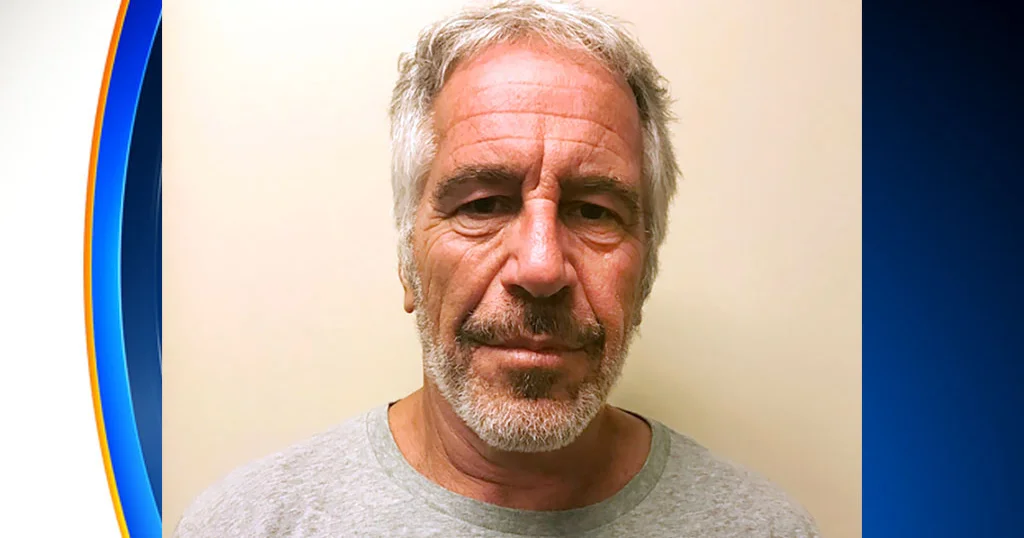
Power, money, influence, and secrecy. That combination defined the life of Jeffrey Epstein. His name moved across boardrooms, private jets, luxury islands, political circles, and finally into one of the biggest criminal scandals in modern American history. You cannot talk about elite finance networks and high-profile legal controversies without mentioning him.
Jeffrey Edward Epstein was widely known as a financier, yet his reputation became permanently tied to criminal convictions and global investigations. This biography takes a full look at his early life, family background, career rise, wealth sources, properties, legal troubles, and the long shadow his case still casts today.
Early Life and Educational Background
Jeffrey Epstein was born in Brooklyn, New York, and raised in Sea Gate, a private gated community in Coney Island. He grew up in a modest Jewish household. His father worked as a groundskeeper for New York City’s parks department, while his mother worked as a school aide. The family lived quietly and maintained a low public profile.
Epstein showed academic strength early. He skipped two grades and graduated from Lafayette High School at a young age. He later attended Cooper Union and then enrolled at New York University’s Courant Institute of Mathematical Sciences. However, he did not complete a degree at either institution.
From childhood, he also had strong musical i2nterest. He played piano from a young age and attended the Interlochen Center for the Arts camp, where he developed his music theory skills. Music did not become a career path, but it remained part of his personal identity.
Career Beginnings and Move Into Finance
Epstein’s first professional role was as a math and physics teacher at the Dalton School in New York. Despite lacking a university degree, he was hired due to strong recommendations. His time there was short. After leaving the school, he transitioned into finance.
He joined Bear Stearns as a junior assistant and steadily rose through the ranks, eventually becoming an options trader and later a limited partner. His departure from the firm later drew attention, although no criminal charges were filed during that period.
In the early 1980s, he founded his own financial firm, initially called J. Epstein & Company. He focused on managing assets for ultra-wealthy clients. One of his most important financial relationships was with businessman Les Wexner, founder of Victoria’s Secret. Epstein gained significant authority over Wexner’s finances, including power of attorney, which allowed him control over major assets.
Over time, he built connections with hedge fund managers, corporate executives, political figures, and global elites. His financial structure included offshore entities, including operations in the U.S. Virgin Islands, which offered tax advantages.
Business Interests and Wealth Structure
Epstein presented himself as a specialist in wealth preservation for billionaires. Public records and court filings showed that much of his wealth came from client fees, financial management commissions, investment returns, and tax-structured entities.
At the time of his death, his estate was valued at hundreds of millions of dollars. After legal settlements, taxes, and compensation funds for victims, the remaining estate value reduced significantly. Even after deductions, the estate still retained substantial financial holdings.
His sources of money included:
- Asset management fees from ultra-high-net-worth clients
- Investments in hedge funds
- Offshore financial structures
- Real estate holdings
- Equity stakes in private ventures
Despite his claims of exclusive clientele, the exact list of clients was never publicly confirmed in full.
Family and Personal Relationships
Epstein was never married and had no confirmed children. His only immediate family member publicly connected to his estate is his younger brother, Mark Epstein, a property developer based in New York.
One of the most prominent figures linked to him was Ghislaine Maxwell. She was his close associate for years and later faced conviction for her role in assisting in trafficking crimes connected to Epstein.
Epstein also maintained relationships with various high-profile individuals in politics, business, academia, and entertainment. Associations included public figures such as Bill Clinton, Donald Trump, and Prince Andrew. These connections became central to public scrutiny after his arrest.
Properties, Islands and Luxury Assets
Epstein owned several high-value properties across different locations. These included:
- A large townhouse in Manhattan’s Upper East Side
- A waterfront mansion in Palm Beach, Florida
- A ranch property in New Mexico
- A luxury apartment in Paris
- Two private islands in the U.S. Virgin Islands
The most widely discussed property was Little St. James Island, which later became symbolic of the allegations against him. After his death, most of these properties were sold, and proceeds contributed to legal settlements and victim compensation funds.
He also owned multiple luxury vehicles, private jets including a Boeing 727, and other aviation assets.
Criminal Charges and Major Controversies
Epstein’s legal troubles became public in the mid-2000s when he was investigated for sexual abuse involving minors. He entered a controversial plea agreement that resulted in a short jail sentence with work-release privileges. That deal later faced intense criticism for being overly lenient.
Years later, he was arrested again on federal charges related to sex trafficking of minors. The case gained international attention due to his powerful connections and the scale of allegations.
While awaiting trial, Epstein was found dead in his jail cell. Authorities ruled the death a suicide. His death sparked widespread public debate, conspiracy theories, and continued investigations into his associates and financial networks.
His estate later established a large restitution fund to compensate victims. Several financial institutions also paid settlements connected to their banking relationships with him.
Net Worth and Estate Overview
At the time of his death, his estate was estimated at roughly half a billion dollars. After legal claims, government penalties, tax obligations, and victim compensation payouts, the remaining estate value dropped significantly.
Major financial deductions included:
- Victim settlement payouts
- Tax liabilities
- Government agreements
- Legal and administrative fees
Political and Social Impact
Epstein’s case triggered investigations into powerful individuals, financial institutions, and political figures. Court documents released in recent years revealed communications and travel records involving elite networks.
The scandal influenced discussions on:
- Plea bargain transparency
- Financial institution accountability
- Protection of trafficking victims
- Oversight of offshore financial systems
His name continues to trend whenever court files are unsealed or legal updates emerge.
Cultural Influence and Public Perception
Epstein did not have a professional music or entertainment career. However, his case influenced documentaries, investigative reports, books, and online discussions. Public discourse remains intense due to unanswered questions surrounding his network and final days.
His legacy is defined less by finance and more by criminal investigations and systemic failures in legal accountability.
Frequently Asked Questions
Who was Jeffrey Epstein?
He was an American financier who managed wealth for ultra-rich clients and later became widely known for criminal convictions related to sex trafficking.
How did Jeffrey Epstein make his money?
Primarily through asset management fees, hedge fund investments, offshore financial structures, and real estate holdings.
Was Jeffrey Epstein married?
No. He was never married and had no verified children.
What happened to his estate?
Large portions were used for victim compensation funds, tax settlements, and legal expenses. Remaining assets continue to be managed under estate supervision.
Did authorities release a client list?
Investigations released documents containing names of associates and contacts, though no official finalized “client list” was published as a confirmed document.
Final Perspective
Jeffrey Epstein’s life remains one of the most controversial biographies in modern financial history.
From a modest upbringing in Brooklyn to managing elite wealth and eventually facing federal trafficking charges, his story reflects ambition, secrecy, influence, and scandal.