Blog

  • Pastor John Anosike Biography: Age, Origin, Ministry, Wife, Net Worth, and More

    Pastor John Anosike Biography: Age, Origin, Ministry, Wife, Net Worth, and More

    In South Africa’s Christian scene today, one name that keeps trending almost every week is Pastor John Anosike. He’s the founder of the Spirit Revelation Ecclesia Church, also called the Tribe of Enoch. Known for deep teachings on sonship and immortality, Pastor John’s message cuts across nations. Whether you agree with him or not, you can’t ignore the fire around his ministry.

    Let’s get to know him better and you can also checkout all about Mavo, Fola and Odogwu Mara.

    Where Is Pastor John Anosike From?

    Pastor John Anosike hails from Nigeria, but he’s now fully based in Cape Town, South Africa. His story is that of a man who moved beyond background limits to build a global platform. From the early days, he had a strong hunger for the things of God, and that same passion has now birthed one of the fastest-growing churches in Africa.

    Who Is Pastor John Anosike’s Spiritual Father?

    He often says his only true mentor is the Holy Spirit. Many people try to attach him to one known father in the faith, but Pastor John Anosike has publicly stated that his revelations come straight from divine encounters, not human mentorship.

    When Was Pastor John Anosike Born?

    Details about his exact birth year are private, but he celebrates his birthday every August 31. What matters more to him, according to his messages, is not the natural date but the “day of awakening” when he discovered his divine purpose.

    Pastor Anosike

    Ministry and Teachings

    Pastor John Anosike calls himself the bondservant of Christ John. Through Spirit Revelation Ecclesia (SRE), he preaches what he calls the Gospel of Sonship and Immortality. His sermons focus on divine transformation, ascension, prophetic encounters, and freedom from demonic influences.

    If you’ve ever joined his live services, you’ll know they’re not the usual Sunday routines. He mixes deep revelation with prophetic declarations, spiritual warfare, and deliverance prayers. Members testify of healing from addictions, diseases, and even emotional battles.

    The church’s main address is 284 Voortrekker Road, Maitland, Cape Town, and it’s often packed out long before service starts.

    Service Schedule

    • Sundays: 7 AM & 11 AM
    • Bible Study (University of the Deep Things of God): Mondays & Tuesdays 6 PM—led by Pastor Ola Anosike
    • Ascension Prayer: Fridays 6 PM
    • Special Events: First Sunday – Anointing Service; Second Sunday – Holy Communion
    Pastor Ola Anosike

    Meet Pastor Ola Anosike

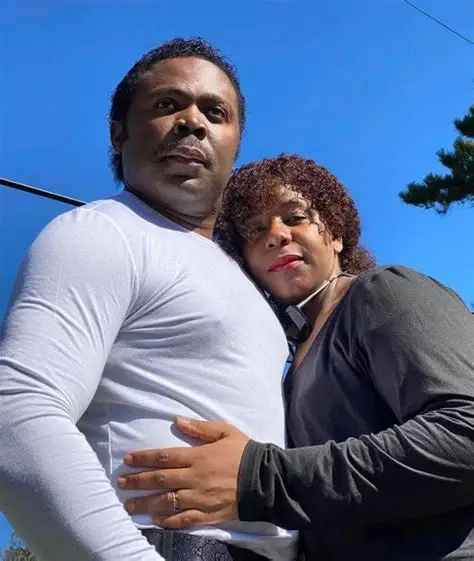
    Behind Pastor John is his wife, Pastor Ola Anosike, fondly called Mama Ola. She’s known for her calm but firm spirit, always teaching women about wisdom, marriage, and spiritual discipline. Together, they’ve become one of the strongest ministry couples in South Africa.

    She leads the women’s ministry, organizes prayer sessions, and anchors the “University of the Deep Things of God,” a Bible study where she breaks down her husband’s teachings into everyday lessons.

    Pastor John Anosike Website and App

    His official website is spiritrevelationchurch.org. From there, members can watch live services, register for events, and sow seeds online. He also runs a mobile app where believers can access sermons, e-books, and daily prophecies.

    To avoid scammers, the ministry constantly warns people to only follow verified accounts listed on the official site.

    Social Media Presence

    Pastor John Anosike is one of the most followed pastors in Africa right now. His team uses social media heavily to spread the message of sonship.

    Recent Events and Updates

    Pastor John Anosike’s church calendar is always loaded. As of2025, these are some of his key programs:

    • Global Roar for All Nations – December 6, 2025, Cape Town. A night of intense warfare prayers.
    • Water Baptism Service – December 7, 2025. Pastor John personally conducts the baptism.
    • First Holy Communion for November – November 9, focusing on divine DNA transformation.
    • Sound of the Ancients Auditions – November 8, a worship training for young ministers.
    • Celebration for Pastor Ola Anosike—November 26, honoring her as “Pillar of Wisdom.”
    • Monthly Fasting and Prayer—themed “Not My Blood,” every first day of the month.

    Each of these programs pulls massive attendance, both online and offline.

    Teachings and Revelations

    Pastor John’s messages are heavy. He teaches that believers can reach a level of divine transformation where sickness and death lose power over them. His words are often controversial, especially when he talks about immortality and transfiguration, but that’s what makes people listen.

    His recent theme, Month of Transfiguration and Visit to the Mountain,” focuses on spiritual ascension and divine encounters.

    One viral video even had a member saying, “Our pastor is not human,” after claiming she saw him in a heavenly form. Love him or doubt him, Pastor John Anosike continues to shake conversations around African Christianity.

    Pastor John Anosike’s Net Worth, Houses, and Cars

    Pastor John Anosike doesn’t live a flashy life. His main focus is ministry, though he’s blessed enough to live comfortably in Cape Town with his family. His estimated net worth ranges around a few million rand, mostly from books, offerings, and digital ministry income.

    He owns property in Cape Town and drives modest luxury cars, but his main pride is in the thousands of lives changed through his teachings.

    Final Words

    Whether you believe in his revelations or not, Pastor John Anosike has created a spiritual movement that’s redefining modern Christianity in Africa. His deep teachings, prophetic boldness, and faith in immortality make him one of the most talked-about pastors of this generation.

    If you want to follow his messages or join his services, check his verified handles or visit spiritrevelationchurch.org. But one thing is sure: Pastor John Anosike’s message isn’t ordinary; it challenges what you thought you knew about life, death, and God.

    Quick FAQs

    Where is Pastor John Anosike from?
    He is from Nigeria and now based in Cape Town, South Africa.

    Who is Pastor John Anosike’s spiritual father?
    He says his only guide is the Holy Spirit.

    When was he born?
    Exact year unknown; birthday celebrated on August 31.

    Is Pastor John Anosike married?
    Yes, to Pastor Ola Anosike, known as Mama Ola.

    What is his church’s name?
    Spirit Revelation Ecclesia (Tribe of Enoch).

    Where is the church located?
    284 Voortrekker Road, Maitland, Cape Town, South Africa.

    What is his message about?
    Sonship, immortality, divine realms, and spiritual transformation.

  • Fred VanVleet Biography, Stats, Contract, Height, and Career Highlights

    Fred VanVleet Biography, Stats, Contract, Height, and Career Highlights

    Fred VanVleet is one of those NBA players who didn’t need luck to make it, just pure grind. From an undrafted guard to an NBA champion and now one of the highest-paid players in the league, his story is what every young baller dreams of.

    We’ve written about some of your favourites also and won’t believe there’s more to them what we see on social platforms and this including Mavo, Fola and many more.

    Early Life and Background

    Fredderick Edmund VanVleet Sr. was born on February 25, 1994, in Rockford, Illinois. He grew up in a small, tough neighborhood, but basketball was his way out. Even back then, he played with focus and discipline.

    His father, Joe Danforth, had a strong hand in raising him after Fred’s biological father passed away when he was just five. That early tragedy shaped his mentality. He learned early that life won’t hand you anything, you earn it.

    At Auburn High School, VanVleet led his team to success, earning All-State honors and attention from several college scouts. But when the time came, he chose Wichita State University, not one of the biggest schools, but one where he knew he’d actually play and grow.

    College Career at Wichita State

    At Wichita State, Fred didn’t just play basketball, he ran the floor like a general.
    He was a two-time Missouri Valley Conference Player of the Year and became one of the school’s all-time best.

    He helped the Shockers go 35–0 in the 2013–14 regular season, one of the wildest runs in NCAA history. His leadership, calm under pressure, and defense made him stand out even among players from bigger programs.

    By the time he left college, every scout knew his name, but surprisingly, he still went undrafted in the 2016 NBA Draft.

    NBA Journey and Rise

    After going undrafted, Fred VanVleet signed with the Toronto Raptors. He didn’t start strong or flashy, but his hard work spoke for him. He spent some time in the G League before finally earning his rotation spot.

    By 2018, he was the spark off the bench. In the 2019 NBA Finals, he became a household name. He dropped big shots, clamped opponents, and played like a veteran. When the Raptors beat the Warriors for their first-ever title, Fred was a key piece of that run.

    That season, he averaged around 11 points, but the real story was his clutch moments. He even hit a game-sealing three in the Finals just weeks after becoming a father.

    His story became a global lesson in self-belief “Bet on Yourself,” as he always says.

    Stats and Performance

    Fred VanVleet’s numbers keep getting better every year.
    Here’s a quick view of his general stats across recent seasons:

    • Points per game: around 19–21
    • Assists per game: 6–7
    • Rebounds per game: 3–4
    • Steals per game: about 1.5
    • Three-point percentage: roughly 37%

    He’s known for his solid defense, smart playmaking, and that deadly pull-up jumper.

    Fred VanVleet Contract and Salary

    Fred’s story hit a major chapter in 2023 when he signed with the Houston Rockets.
    The deal was massive, three years, $128.5 million—making him one of the highest-paid undrafted players in NBA history.

    In 2025, VanVleet suffered a torn ACL during a team workout in the Bahamas, forcing him to miss the entire 2025–26 season. Despite the setback, the Rockets applied for a $12.5 million disabled player exception to fill his spot temporarily.

    Even while recovering, he’s stayed close to the team, mentoring young guards like Amen Thompson and Jalen Green. That’s real leadership, showing up even when you can’t play.

    Height, Age, and Playing Style

    Fred VanVleet stands at 6 feet tall (1.83 m) and weighs around 197 lbs (89 kg).
    He might not be the tallest player, but his heart, IQ, and hustle easily make up for it.

    At 31 years old, he’s now considered one of the league’s most respected floor generals. He’s known for leading by example, setting the tone defensively, and keeping control under pressure.

    Career Highlights

    • NBA Champion (2019)
    • All-Star (2022)
    • NBA All-Defensive Team candidate multiple times
    • Franchise record for most points in a single game (54 with Raptors in 2021)
    • Undrafted to max contract success story

    Does Fred VanVleet Have a Ring?

    Yes. He earned his NBA championship ring in 2019 with the Toronto Raptors, alongside Kawhi Leonard, Kyle Lowry, and Pascal Siakam.

    Where Is Fred VanVleet From?

    He’s from Rockford, Illinois, a small city known for producing gritty, determined athletes. Fred always talks about how his hometown shaped his mindset—tough, humble, and focused.

    Van

    Is Fred VanVleet playing tonight?

    As of 2025, no, he’s still recovering from his ACL injury and is expected to return during the 2026–27 season.

    Off the Court

    Fred isn’t just about basketball. He runs the VanVleet Family Foundation, helping families and kids in Rockford get better education and resources. He’s also an outspoken voice for racial justice and player empowerment.

    He’s a proud father of two—Fred Jr. and Sanaa. His family moments often show up on Instagram, mixed with motivational quotes like “One step at a time.”

    Fred VanVleet Social Media Handles

    He uses social media mostly for motivation, family, and basketball insights—no unnecessary drama.

    Fred VanVleet vs. Cavs

    One matchup fans always talk about is VanVleet versus the Cleveland Cavaliers.
    He’s had some fiery games against them, especially during his Raptors days. His sharp shooting from deep and ball pressure often frustrated the Cavs’ guards.

    Even in Houston, when healthy, he remains one of the most strategic guards to face Cleveland’s young backcourt.

    Final Words

    Fred VanVleet’s story proves that you don’t need to be drafted or hyped to make it. You just need discipline, belief, and the courage to bet on yourself.

    From Rockford to an NBA title, a huge contract, and millions of fans, Fred has shown that hard work still beats talent when talent doesn’t work hard.

  • Odogwu Mara Biography: Age, Real Name, Death, Net Worth, Dance Style, and Story

    Odogwu Mara Biography: Age, Real Name, Death, Net Worth, Dance Style, and Story

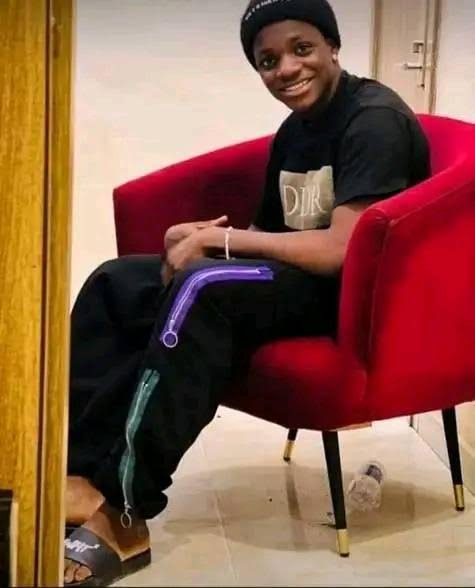
    In Nigeria, a lot of people in the entertainment industry from street fame are rising overnight, and Odogwu Mara was one of those names that made noise fast. He was that young dancer with raw energy, always smiling, always moving, and full of life. Before his death, he had become one of the hottest TikTok dancers everyone wanted to watch.

    Who Was Odogwu Mara?

    Odogwu Mara, whose real name was Obi Madubogwu, was a dancer, content creator, TikToker, and video vixen from Port Harcourt, Nigeria. He started dancing from a young age but came into the limelight around 2022–2023 when his “Mara Dance” went viral.

    His dance wasn’t your regular legwork. It had this trenches energy, fast footwork mixed with shoulder pops that only real street dancers could pull off. He turned local dance into a full-on movement.

    Everyone from small TikTok creators to big DJs started copying his style.

    Odogwu Mara Biography

    The Rise of Odogwu Mara

    It all started with short videos. He would post himself dancing to street songs like Odogwu and other hits. Within weeks, he blew up. People started using his clips for challenges. Musicians wanted him in their videos. Clubs were calling him for performances.

    You could tell he was made for fame. His energy was real, his smile contagious, and his steps original. Fans loved that he stayed humble even after the fame started building up.

    By early 2023, Mara had become one of the fastest-rising dance creators in Nigeria. His videos hit millions of views, and his name was trending almost every week.

    The Death of Odogwu Mara

    Sadly, his bright career ended just when things were getting good. Odogwu Mara died on March 5, 2023, at only 22 years old. Reports said he was poisoned by his best friend after smoking Indian hemp (Colorado) that was allegedly laced with poison.

    The incident happened at a shrine in Ikeja, Lagos State, where he had gone to hang out with friends. Not long after taking the smoke, he started feeling strange and collapsed. He was rushed for help, but he didn’t survive.

    Till today, no clear justice has been served. Some people said jealousy caused it; others said it was a setup. But what’s certain is that Nigeria lost a real talent that day.

    Fame After Death

    Right after the news of his death, his followers skyrocketed. His TikTok account gained thousands of new fans within days. Tributes poured in from fellow dancers, artists, and even people who never met him but loved his moves.

    In 2025, the “Mara Dance” is still trending online. Young dancers keep his name alive through challenges and remixes. Every few months, a new kid tries to bring the style back, but real fans always say, “Nobody moves like the real Mara.”

    Odogwu Mara’s Age and Background

    Even though not much is known about his early family life, he was from Rivers State, born in 2001. He grew up in the South and started dancing in local competitions before social media helped him reach a wider audience.

    He was also known for promoting local outfits and songs through his dance clips. Many up-and-coming artists credited him for giving their songs extra life on TikTok.

    Odogwu Mara Biography4

    Odogwu Mara Net Worth

    At the time of his death, Odogwu Mara was still new to fame. He made money from TikTok promotions, brand deals, and appearances in music videos. His net worth was not officially known, but close estimates put it around ₦3–5 million based on gigs and content earnings.

    He was not rich yet, but everyone knew he was heading for big money if he had lived longer.

    Legacy and Impact

    Mara’s name has become more than just a dance tag, it’s a movement and thanks to people like DJ Khalipha for making the très king Mara dance beat. His style changed how street dancers saw TikTok. Before him, only polished dancers were going viral. After him, the trenches boys started believing they could shine too.

    Street dancers now use “Mara” to describe bold legwork. DJs still drop “Odogwu Mara Beat” remixes in clubs. Even years after, fans post his old videos with captions like “Legends don’t die.”

    His story also reminds people of the dark side of fame—envy, betrayal, and fake friends. The same circle that celebrated him also destroyed him.

    FAQs

    What was the cause of Odogwu Mara’s death?
    He reportedly died after smoking Indian hemp laced with poison.

    Who killed Odogwu Mara?
    Reports suggest it was his best friend, out of jealousy for his rising fame.

    How old was Odogwu Mara?
    He was around 22 years old when he passed in 2023.

    What was his real name?
    His real name was Obi Madubogwu.

    What is the “Mara Dance”?
    It’s a fast-paced legwork style mixed with street flavor, created and popularized by Odogwu Mara.

    What was Odogwu Mara’s net worth?
    Estimated around ₦3–5 million at the time of his death.

    What’s his legacy?
    He remains one of Nigeria’s most creative young dancers, whose steps and spirit still inspire street creators today.

    Final Words

    Odogwu Mara’s life was short, but he made every second count. He brought energy, originality, and pride to the Nigerian dance scene. His story is a reminder that success can come fast, but so can betrayal.

    Even in 2025, people still remember his name, still dance to his moves, and still post his clips. The world lost him too soon, but his rhythm never stopped.

    Rest in Power, Odogwu Mara. Your moves still live.

  • Starting a Liquid Soap Making Business: All You Need to Know

    Starting a Liquid Soap Making Business: All You Need to Know

    The growth of small-scale production businesses in Nigeria has shown that you don’t need millions to build something profitable, all you need is the right product, consistency, and proper understanding of your market.

    Liquid soap making is one of the easiest and fastest-moving home-based businesses in 2025 because people use it every day, from washing plates and clothes to cleaning surfaces and even car washing.

    But before you jump into it, you need to understand how the business really works, what you’ll need to start, and the right approach to avoid wasting money or producing what no one will buy.

    Let’s go through everything you should know step by step.

    1. Set Your Motive Right

    Before starting any business, especially liquid soap production, your motive matters.
    Don’t start just because others are doing it, start because you want to grow a real source of income and create value.

    Even if you already have another job, take this business seriously. When you focus on profit and long-term growth, you’ll stay committed even when sales are slow.

    Success in soap production doesn’t come in a week; it comes with steady improvement, consistency, and smart reinvestment.

    2. Make What People Buy, Not What You Like

    A common mistake beginners make is producing soap based on personal taste instead of what customers prefer. Before producing in large quantities, make small samples and share them with people around you, listen to their feedback.

    If they complain about the fragrance or thickness, adjust it. Market-driven production always wins.

    People only pay for what satisfies them, not what you think is fine.

    3. Focus on Marketing and Awareness

    If you produce soap and nobody knows about it, it’ll only sit on your shelf.
    Marketing is what turns good products into money.

    Here’s what to do:

    • Start with friends, neighbors, and local shops.
    • Design a simple label or sticker with your brand name and contact.
    • Use WhatsApp status, Facebook Marketplace, and Instagram to show your product.
    • Offer discounts or small samples to people who’ll spread the word.

    No matter how small your business is, online and offline marketing should work hand in hand.

    4. Understand the Soap-Making Process

    Before you begin, learn the basics of how to mix and measure ingredients properly.
    Liquid soap is mostly made from water, SLS, STPP, texapon, sulphonic acid, fragrance, color, and sometimes preservatives.

    You can:

    • Watch verified tutorials on YouTube.
    • Learn directly from someone already in the business.
    • Attend a short physical or online training class.

    Practicing with small batches first helps you understand measurement and avoid mistakes when you go bigger.

    5. Do Market Research and Write a Simple Business Plan

    Don’t just start because “people are buying.” Check your area—are people already producing liquid soap nearby? What’s their price? What do customers complain about?
    That’s where you find your opportunity.

    Your business plan doesn’t have to be complex. It should include:

    • Start-up cost.
    • Target customers (households, shops, restaurants, car washes).
    • Production cost and expected profit.
    • Where and how you’ll sell.

    Even if it’s just one page, that’s enough to guide you.

    6. Choose Your Niche and Soap Type

    There are different kinds of liquid soaps—dishwashing soap, laundry soap, multipurpose cleaner, and even baby-safe mild soap.
    Don’t try to make it all at once. Start with one or two that you can do well.

    Once you build steady customers, then you can expand to others.

    7. Register and Make It Legal (Optional but Better)

    If you plan to grow large or supply supermarkets, register your business name with CAC and work towards NAFDAC listing for your product.
    This helps you build trust and makes people take you more seriously.

    Small producers can still operate without registration at first, but as you grow, legalizing it gives you bigger opportunities.

    8. Set Up Your Workspace and Get Equipment

    You don’t need a factory to start.
    You can start at home with enough ventilation and a clean environment.

    Here’s the basic equipment list:

    • Mixing bowls or buckets.
    • Measuring scales and spoons.
    • Wooden or plastic stirrer.
    • Funnels and containers.
    • Bottles or gallons for packaging.

    As you grow, you can get bigger mixing drums and filling machines.

    9. Product Development and Testing

    Don’t rush your first production.
    Make small samples, test them on different surfaces, and check for:

    • Foam level.
    • Fragrance.
    • Cleaning strength.
    • Skin reaction.

    Only after confirming the right mixture should you produce in bulk.

    10. Branding and Packaging

    This part matters more than many people think.
    A clean label, clear name, and good bottle can make your product stand out even if your soap is the same as others.

    Choose a simple brand name that’s easy to remember.
    Design a label showing:

    • Your brand name.
    • Type of soap (e.g., dishwashing liquid).
    • Contact number.
    • Expiry date or batch number (for professionalism).

    11. Marketing and Distribution

    Start with a small supply to shops around you and local vendors.
    Offer them a small profit margin so they’ll be interested.
    Always collect feedback—if they say your soap is too thick or watery, adjust it.

    Also, use social media to build a small customer base.
    You can post short videos of your production or cleaning results; people like seeing real proof.

    12. Maintain Quality Control

    Don’t change your formula every week.
    Keep your measurements and ingredients consistent—customers love consistency.
    If your soap quality drops, people will quickly stop buying.

    Keep a small notebook for all your mixtures and results; it’ll help when you expand later.

    13. Record Keeping and Profit Tracking

    Even if it’s a home business, treat it like a real company.
    Record every spending and every sale.
    Know your total cost and profit per batch.

    This will help you plan when to buy in bulk and when to reinvest profit.

    14. Cost and Profit Expectation

    To start liquid soap making on a small scale in Nigeria, you can begin with as low as ₦20,000–₦50,000 for materials and packaging.
    Your profit depends on how you buy and sell, but most producers make 40–60% profit per batch if sold directly to users.

    Bulk supply gives smaller profit but faster sales.

    Frequently Asked Questions (FAQs)

    Q1. How much can I use to start a small liquid soap business?
    You can start from ₦20,000 to ₦50,000 depending on how much soap and how many bottles you plan to produce.

    Q2. Do I need an NAFDAC number to start?
    Not at the beginning, but once you start producing for supermarkets or bigger supplies, NAFDAC approval becomes necessary.

    Q3. How long does liquid soap last before expiring?
    Good liquid soap lasts between 6 and 12 months depending on storage and ingredients used.

    Q4. What’s the most profitable type of soap to make?
    Dishwashing and multipurpose soaps sell faster because almost every home uses them daily.

    Q5. Can I make liquid soap without training?
    You can learn online, but physical training or mentorship gives you more confidence and reduces waste.

    Conclusion

    Starting a liquid soap-making business in 2025 is one of the best small ventures anyone can begin with low capital and steady returns.
    You don’t need a shop or big space, just consistency, a good product, and smart marketing.

    Keep improving your formula, listen to your buyers, and maintain your brand image.
    In a short time, you’ll grow from producing for family use to supplying shops and institutions, that’s how small manufacturing turns into a real business.

  • Popcorn Business in Nigeria: How to Start and Make Money (Full Guide)

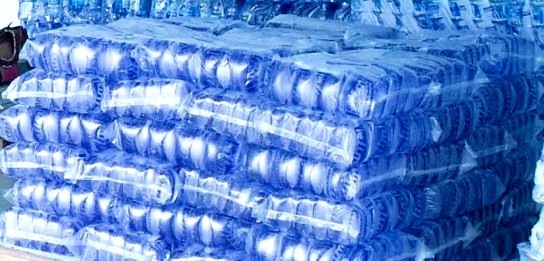
    Popcorn Business in Nigeria: How to Start and Make Money (Full Guide)

    A lot of people are waking up to the fact that small businesses are the new way to build daily income without waiting for office jobs. One of those smart ideas that people now take seriously is the popcorn business. It’s simple, clean, and highly profitable if you set it up well.

    Unlike some big businesses that need heavy capital, you can start a popcorn business with little money, and your profits can begin from the very first week. With the right machine, location, and packaging, you can turn ₦40,000 into a business that brings in steady daily cash flow.

    In this guide, we’ll walk you through everything about starting a popcorn business in Nigeria, from setup, cost, and equipment to profits, marketing, and growth ideas.

    Why You Should Start a Popcorn Business

    Popcorn is one of those simple snacks that never goes out of demand. Kids, students, workers, everyone buys it almost daily.

    Here’s why it’s a smart business:

    • Low startup cost—You can start with as low as ₦40,000 to ₦60,000.
    • High-profit margin—Returns can reach 100% to 250%, depending on your sales point.
    • Fast turnover—Popcorn sells fast in schools, cinemas, and roadside areas.
    • Scalable – You can start with one machine and grow to bulk supplies or branded packs.

    How Much You Need to Start a Popcorn Business in Nigeria

    Your startup capital depends on your scale and how you want to start, home-based, roadside, or shop setup.

    Business Type Estimated Capital (₦)
    Small (Roadside/Home) ₦40,000 – ₦70,000
    Medium (Kiosk/Shop) ₦100,000 – ₦250,000
    Large (Commercial Production) ₦400,000+

    The major costs come from your machine, packaging, and ingredients. A good location and neat packaging are what make the difference between average and high sales.

    Profit Margin and Earning Example

    Let’s say you make 100 packs of popcorn daily and sell them at ₦150 per pack.

    If each pack costs you about ₦60 to produce (including ingredients and nylon):

    Profit per pack = ₦150 – ₦60 = ₦90
    Daily profit = ₦90 x 100 = ₦9,000

    That’s roughly ₦250,000 to ₦270,000 per month after expenses if you’re consistent.

    Many sellers make even more by supplying to schools, shops, and events.

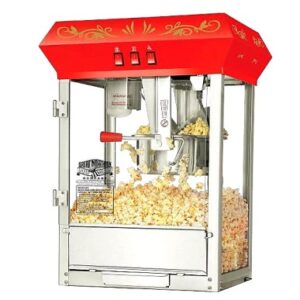
    Popcorn machine

    Step-by-Step: How to Start Your Popcorn Business

    1. Do Basic Market Research

    Before spending any money, go around and check where popcorn sells fast—schools, motor parks, cinemas, and malls.
    Watch what others are doing and think of how to make yours cleaner or better branded.

    2. Learn How to Make Good Popcorn

    You can learn through YouTube, a short physical class, or from someone already doing it.
    Try out different flavors, butter, caramel, chocolate, milk, spicy, or sugar mix, to find what sells best in your area.

    3. Write a Simple Business Plan

    List your costs, target customers, pricing plan, and profit goal.
    Even if it’s one page, it helps you track your growth and know when to restock or expand.

    4. Get Your Startup Capital

    You can start small from savings or borrow a small amount from friends or family.
    Avoid bank loans at the beginning; grow first before scaling.

    5. Buy the Needed Equipment

    Below are the basic tools you’ll need:

    Item Estimated Price (₦)

    Item Estimated Price (₦)
    Popcorn Machine (Gas/Electric) ₦25,000 – ₦120,000
    Sealing Machine ₦10,000 – ₦25,000
    Measuring Cups & Scoops ₦3,000 – ₦5,000
    Branded Packaging Bags ₦5,000 – ₦15,000
    Table & Containers ₦5,000 – ₦10,000

    If you plan to supply in bulk or open multiple points, go for a bigger popcorn machine with dual capacity.

    6. Buy Ingredients and Start Production

    Basic ingredients:

    • Maize (popcorn corn) – ₦6,000 – ₦12,000 per bag
    • Sugar – ₦1,500 – ₦3,000
    • Butter or oil – ₦2,500 – ₦5,000
    • Salt and flavors (caramel, milk, chocolate, etc.) – ₦3,000 – ₦8,000

    Start small, test your first batch, and note the exact measurements that give you the best taste.

    7. Choose the Right Location

    The secret to success is location.
    Best spots include:

    • School gates and campuses
    • Cinemas and parks
    • Market entrances and supermarkets
    • Office areas and junctions

    If you’re producing branded popcorn, you can also supply local stores, events, and restaurants.

    8. Packaging and Branding

    Good packaging attracts customers even before taste.
    Use transparent branded nylons, tubs, or resealable paper bags.
    Design a simple logo or sticker with your business name and contact.
    People love clean, professional packaging—it helps you stand out and get repeat buyers.

    9. Promote and Grow Your Business

    • Use WhatsApp status, Facebook, and Instagram to promote.
    • Offer free samples during launch or to shops you want to supply.
    • Create a catchy name like Pop Delight or SweetCrisp Popcorn.
    • Partner with school events, cinemas, or parties to supply in bulk.

    10. Scale Up When Profits Grow

    Once you start making consistent profits, buy a second machine or open another point.
    You can also start a mini factory and hire workers to help with packaging and delivery.
    The popcorn market in Nigeria is wide, from street sales to online bulk orders, you just need consistency.

    Popcorn Business 2

    Frequently Asked Questions (FAQs)

    1. How much can I use to start a popcorn business in Nigeria?
    You can start from ₦40,000 upward depending on your scale and packaging.

    2. Is the popcorn business profitable in Nigeria?
    Yes, very profitable. Many sellers make ₦5,000–₦10,000 daily profit depending on sales point and packaging.

    3. What is the best popcorn machine for beginners?
    Start with a gas-powered machine—it’s cheaper and easier to maintain.

    4. Where can I buy popcorn machines in Nigeria?
    You can buy from Jumia, Konga, or local equipment markets in Lagos, Aba, or Onitsha.

    5. Can I sell popcorn online?
    Yes, you can sell branded popcorn through Instagram, WhatsApp, or to event planners and schools.

    Conclusion

    Starting a popcorn business in Nigeria is one of the simplest and fastest small businesses that anyone can begin with little money.

    It doesn’t need much space, and the profit margin is attractive.
    With neat packaging, steady production, and a good location, your daily income can grow quickly.

  • Starting a Pure Water Business in 2025: Everything You Need to Know

    Starting a Pure Water Business in 2025: Everything You Need to Know

    The demand for clean, drinkable water in Nigeria keeps increasing daily, and that’s one of the reasons the pure water business still remains one of the most profitable and stable businesses you can start in 2025.

    The good thing about this business is that people buy water every single day, from offices and schools to markets andeven events.

    However, to run it successfully, you need to understand the cost, equipment, registration, and setup process. Many people jump into the business without planning, and that’s why some fail within a year.

    Here, we’ll guide you through everything you need to know, from planning, setup, and licensing to the actual cost of starting a pure water business in Nigeria.

    1. Develop a Strong Business Plan

    The first and most important step is to prepare a clear business plan. Your plan will determine how big you want to start, small-scale (within a town or community) or medium- to large-scale (serving multiple areas).

    Starting small helps you understand the operations before expanding. Your plan should include:

    • Equipment and production cost
    • Number of staff needed
    • Transportation and logistics
    • Marketing and expected profit margin

    Having a structured plan also helps you access loans or attract investors if needed.

    2. Obtain Licenses and Compliance Certificates

    You can’t run a water factory in Nigeria without getting the necessary permits. Since it’s a consumable product, health and regulatory approval is compulsory.

    Here’s what you’ll need:

    • NAFDAC Registration: This is the major requirement. It ensures your production meets national health standards.
    • Health Department Certificate: Issued by the local or state health board.
    • Business Registration (CAC): To register your company name officially.
    • Tax Compliance Certificates: For proper record-keeping and business accountability.

    You should also open a business bank account in your company’s name for transactions and transparency.

    3. Secure Startup Capital

    The pure water business requires notable capital, especially for setup and equipment. You need to budget for:

    • Land purchase or rent
    • Borehole drilling
    • Water treatment and distillation system
    • Automatic sealing machines
    • Packaging materials
    • Delivery truck(s)
    • Staff wages
    • Power supply or generator

    To raise funds, you can use savings, request bank loans, or find investors interested in small manufacturing setups.

    4. Choose a Good Factory Location

    Your location can determine your profit margin. Pick a site that’s easily accessible, close to your target market, and has a stable water source.

    A central location reduces fuel and transportation costs. It also helps your drivers deliver faster to wholesalers and retailers.

    Avoid flood-prone areas or residential zones where NAFDAC may deny approval.

    5. Hire and Train the Right Workers

    Running a pure water factory is not a one-man business. You’ll need to hire:

    • Machine operators
    • Packers and cleaners
    • Drivers and loaders
    • Marketers
    • Office staff and security guards

    Train your workers properly, especially on hygiene, sealing, and delivery standards. The right team ensures consistency and builds customer trust.

    6. Develop a Marketing and Branding Strategy

    Many water factories in Nigeria look the same, the only difference is branding and quality consistency.
    Create a brand name that’s simple and easy to remember.

    Then focus on:

    • Attractive packaging design
    • Visible NAFDAC number on the sachet or bottle
    • Fair and competitive pricing
    • Customer trust through consistent quality

    Start with small distribution channels—shops, restaurants, offices, and events—and expand through referrals.

    7. Invest in Advertising

    Promotion is key to faster recognition. You can start small by using:

    • Stickers on supply trucks
    • Posters in busy areas
    • Branded t-shirts for your staff
    • Local radio or online ads for awareness

    Offer new customers a small discount for bulk orders. Promotions help build loyal customers and make your brand stand out against competitors.

    8. Build Distribution and Business Relationships

    Once production begins, maintain good connections with retailers and wholesalers. Join local business groups, supply to events, and create referral deals with small distributors.

    Target big offices, hospitals, schools, and churches that need a daily water supply. They help you move higher volumes faster.

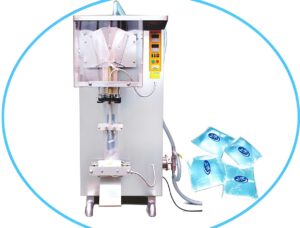
    Pure water machine

    Steps to Set Up a Pure Water Factory in Nigeria

    Here’s a simplified list of what you’ll need to do:

    1. Write a full business plan—includes cost, profit, and expansion plan.
    2. Buy or rent land—depending on location and scale.
    3. Construct factory building—with a borehole, tanks, and water rooms.
    4. Install a distillation system—UV, reverse osmosis, or the distillation method.
    5. Buy a sealing machine—for sachet or bottle packaging.
    6. Get a delivery truck—for local distribution.
    7. Employ factory workers—operators, packers, drivers, marketers, etc.
    8. Apply for NAFDAC approval—the process can take months, but it’s compulsory.

    Estimated Business Costs

    Here’s your table neatly formatted:

    Item Estimated Cost (₦)
    Land and Building ₦5,000,000 – ₦10,000,000
    Water Treatment System ₦2,000,000 – ₦5,000,000
    Sealing Machine ₦400,000 – ₦3,000,000
    Generator and Power ₦1,000,000 – ₦2,000,000
    Delivery Truck ₦4,000,000 – ₦6,000,000
    Staff and Training ₦500,000 – ₦1,000,000
    NAFDAC Registration ₦250,000 – ₦500,000
    Packaging and Branding ₦300,000 – ₦800,000
    Total (Minimum) ₦14,000,000 – ₦25,000,000

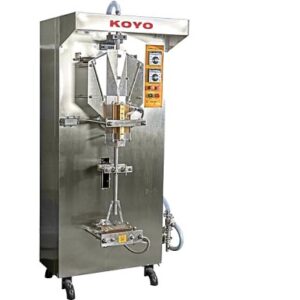
    Pure water machine 2

    FAQs (Frequently Asked Questions)

    Q1. Is the pure water business still profitable in 2025?
    Yes, very profitable. Demand for clean water keeps growing, and with good distribution, your business can break even within a year.

    Q2. How long does NAFDAC approval take?
    It can take 3–6 months depending on inspection and compliance.

    Q3. Can I start a pure water business from home?
    No. NAFDAC requires a proper factory setup for approval and inspection.

    Q4. How much can I make monthly from a pure water business?
    Depending on your scale, ₦500,000–₦2 million profit monthly is realistic for a well-run small-to-medium factory.

    Q5. Do I need a company registration for small production?
    Yes. CAC and tax registration help you operate legally and access loans later.

    Conclusion

    Starting a pure water business in 2025 is still one of the best steady-income ideas in Nigeria if done properly. You just need the right setup, a clean water system, registration, and a strong distribution network.

    Don’t rush into production without NAFDAC and quality equipment. Focus on hygiene, proper branding, and reliable delivery. That’s what separates long-lasting businesses from those that shut down after a few months.

  • Bottled Water Business in Nigeria: How to Start and Make Money (Full Guide)

    Bottled Water Business in Nigeria: How to Start and Make Money (Full Guide)

    If you’ve ever been stuck in traffic or under the hot sun and had to buy cold bottled water, then you already know how fast this business moves. Water is one of the few products that sells daily, no season off, no festive limits.

    Over the years, the bottled water industry in Nigeria has become one of the most profitable small-to-medium-scale businesses because of how easy it is to start and the constant demand.

    Most people believe you must have millions before you can start, but that’s not fully true. You can actually start small and scale as your sales increase, but of course, there are different categories, from table water bottling factories to resellers and distributors.

    In this guide, you’ll learn the real costs, required equipment, location choice, water treatment process, and marketing tips you need to start your own bottled water brand and make real profits from it.

    Investment and Business Costs

    Setting up a bottled water factory or brand in Nigeria depends on your target scale such as in small, medium, or large scale.
    On average, a small- to medium-scale bottled water business can cost between ₦15 million and ₦30 million to start.

    Here’s a breakdown of the major costs:

    • Land and Factory Building:
      If you’re buying land and setting up a mini factory, budget between ₦7 million and ₦15 million depending on the location. You can also rent a facility if you don’t have enough capital to buy land immediately.
    • Factory Infrastructure:
      Your site must have a borehole, overhead tanks, a water treatment area, and a standby generator. These can cost between ₦3 million and ₦6 million altogether.
    • Registration and Licensing:
      Before producing bottled water in Nigeria, you must register your business with the Corporate Affairs Commission (CAC) and get approval from NAFDAC. The NAFDAC number gives your brand credibility and allows you to sell in major markets and supermarkets.
    • Equipment:
      Below are the key machines you’ll need:
      • Bottle blowing machine
      • Water treatment system
      • Rinsing and filling machine
      • Capping and labeling machine
      • Shrink wrapper and packing lineDepending on the brand and automation level, these machines can cost between ₦350,000 (semi-manual) and ₦3 million+ (fully automatic).
    • Miscellaneous Costs:
      Don’t forget to include employee salaries, branding, marketing, packaging materials, logistics, and administrative expenses.

    Choosing the Right Location

    Your factory location can make or break the business.
    Pick a site that’s close to your main market, easily accessible for delivery trucks, and not too far from urban areas.

    Also, ensure your source water is clean and reliable,this helps you save money on treatment and maintenance.

    Urban or semi-urban locations work best because they reduce distribution costs and make it easier to reach customers faster.

    Water Treatment and Bottling Process

    One of the most important parts of bottled water production is treatment. The quality of your water determines how far your brand will go.

    The common stages in water treatment include:

    1. Filtration: Removes visible particles and impurities.
    2. Reverse Osmosis (RO): Purifies water by removing dissolved salts, bacteria, and chemicals.
    3. UV Sterilization or Ozone Treatment: Kills remaining microorganisms and ensures the water is safe for drinking.

    After purification, the water moves to the bottling section, where it’s filled into PET bottles.

    You can either:

    • Produce your own bottles with a blowing machine (more costly but gives control), or
    • Buy pre-blown bottles from suppliers (cheaper and faster when starting).

    After bottling, the caps are sealed, labels are applied, and the bottles are packed into shrink wrappers ready for sale.

    Bottle water machine

    Distribution and Marketing

    Once your water is ready for sale, focus on distribution and marketing, that’s where your profit lies.

    You can distribute directly to:

    • Supermarkets and grocery stores
    • Hotels and restaurants
    • Offices and schools
    • Street resellers and event vendors

    Marketing Tips:

    • Start by offering free samples to create awareness.
    • Brand your vehicles and bottles cleanly—your label should be simple but professional.
    • Run social media ads showing your product, delivery services, and NAFDAC number.
    • Build relationships with event planners and caterers, they order water in bulk.

    Over time, as your brand gains visibility and trust, customers will start requesting your water specifically by name.

    Profit and ROI Expectation

    Profit margins in the bottled water business are strong if you manage costs well.
    From every ₦100,000 spent on production, you can make between ₦30,000 and ₦50,000 profit, depending on your packaging, sales volume, and marketing.

    If you focus on both retail and bulk supply, you can recover your investment within 12–24 months after launch.

    The key is to build a steady customer base, manage power costs, and keep your water quality consistent.

    Challenges to Expect

    Every business has its own challenges, and water production isn’t exempt. Some common issues include:

    • Power supply costs (especially if using large generators).
    • Water source contamination during rainy seasons.
    • Delays with NAFDAC approvals.
    • Rising costs of PET bottles and packaging materials.
    • Transport and fuel expenses.

    However, these challenges are manageable if you plan your budget well, use efficient generators, and build long-term supplier relationships.

    FAQs (Frequently Asked Questions)

    Q1. How much does it cost to start a bottled water business in Nigeria?
    It depends on your scale. A mini water factory can start from ₦10 million to ₦15 million, while a standard medium-size one can reach ₦30 million or more.

    Q2. Do I need a NAFDAC number before selling bottled water?
    Yes. You cannot sell officially without NAFDAC approval. It’s mandatory for quality and safety compliance.

    Q3. Can I start small and grow later?
    Yes. You can start by producing sachet water first, then expand into bottled water once you build your customer base.

    Q4. How profitable is the bottled water business?
    Highly profitable. Nigerians buy water daily, so demand never drops. Your success depends on your production cost, location, and marketing reach.

    Q5. What’s the difference between a sachet water and a bottled water business setup?
    Bottled water requires higher equipment costs, stricter hygiene, and stronger branding. Sachet water is cheaper to start but has lower profit margins.

    Conclusion

    The bottled water business remains one of the most sustainable and fast-moving ventures in Nigeria.
    People will always buy water, from office workers, market sellers, and drivers to event guests.

    If you plan your setup carefully, maintain good hygiene, and brand your water neatly, you can build a trusted name and consistent income stream in no time.

  • Understanding Nigeria’s New Digital Finance Wave: From Banks to Loan Apps

    Understanding Nigeria’s New Digital Finance Wave: From Banks to Loan Apps

    The banking industry in Nigeria has seen a very large increase in enlightenment, improvement, and achievement across decades upon decades. Despite the fluctuations in the economy, there have been many successful people in this sector that are very rich now and passing on their richness to their children and relatives.

    Gone are the old days when everything was documented and written in big files; this happened for many hours without any improvement until this Gen Z generation that’s heavily in use of technology in all we do daily.

    Meanwhile, banking started in Nigeria in 1892 with the establishment of the African Banking Corporation in Lagos. However, the Bank of British West Africa (now First Bank of Nigeria) took over its operations and became the first enduring bank in 1894.

    After all these years, banks now move to giving loans to people with an agreement, some even have to give the bank their land or house files as collateral. If they are unable to pay up, the bank will sell off the borrower’s property and make a profit. This left many local bank users in fear of losing what they value most, all just to borrow money.

    So, fast forward to around the mid-2000s, there were new organizations that started lending money to people, like LAPO, Grace and Mercy, and many others. But even these ones had strict conditions that scared people from taking loans. For example, missing just a single repayment could lead to harassment, or they would double the interest rate immediately.

    Then came the world of digital banking. Around the late 2010s, Nigeria started witnessing what we now call Fintech evolution, the era of mobile banking, microfinance apps, and instant digital loans.

    Some of the early ones that changed the game were Kuda Bank, PalmPay, FairMoney, Carbon, Branch, OPay, and later Moniepoint. These companies brought a new wave of convenience and accessibility to Nigerians, especially for young people and small business owners who were tired of the stress that comes with traditional banking.

    You no longer have to stand in long queues just to check a balance or make a transfer—with a smartphone and internet, you can now create an account, receive money, or even apply for a loan within minutes.

    The Rise of Loan Apps

    When these digital platforms entered the market, many people doubted them. Some thought it was another scam format—but gradually, as trust started growing, the use of mobile loans became part of everyday life.

    Apps like FairMoney, PalmCredit, QuickCheck, Carbon, and OKash started giving out small loans instantly without collateral. It was a big shift for Nigeria’s financial system.

    Even students, business owners, and people with no salary structure could now get quick financial help. The process became as easy as entering your BVN, providing your phone number, and verifying your identity.

    But with the good side came the bad side—some of these loan apps started misusing users’ data, sending threatening messages, or overcharging borrowers. The Federal Competition and Consumer Protection Commission (FCCPC) had to step in to regulate them.

    Still, despite all the challenges, digital lending is one of the fastest-growing parts of Nigeria’s financial ecosystem in 2025. It has opened up new opportunities for people who were once excluded from traditional banks.

    Banks Adapting to the New Digital Era

    Traditional banks also had to adapt. That’s why most Nigerian banks now have mobile apps, online banking portals, and even virtual dollar cards. Banks like GTBank, Zenith, Access, and UBA are all heavily investing in digital infrastructure to stay relevant in this new competition.

    Even the Central Bank of Nigeria (CBN) has been encouraging cashless policy and financial inclusion through initiatives like eNaira, agency banking, and micro-lending support for SMEs.

    The Future of Digital Finance in Nigeria

    Right now, the line between banks and fintechs is getting thinner every day. What used to be a fight for customers has now turned into collaboration, with banks partnering with fintech companies to make things faster, easier, and smarter for Nigerians.

    Digital banking is no longer the future, it’s the present. From paying bills to borrowing, saving, investing, and even shopping, everything is now connected to the digital finance space.

    For Nigeria, this wave means more people will have access to money, more startups will rise, and the financial gap between the rich and the poor can begin to reduce gradually.

    At the end of the day, it’s all about trust and technology. The people who adapt fastest—both individuals and institutions—are the ones who will lead the next decade of finance in Nigeria.

    Final Thoughts

    From the dusty banking halls of the 1900s to the modern fintech apps of 2025, Nigeria’s financial system has grown massively.

    The movement from physical files to digital finance shows how far technology can transform a nation’s economy. And as more people gain access to instant banking and fair lending, the dream of a fully digital financial Nigeria is no longer far—it’s already happening.

  • Mavo Biography – Early Life, Education, Songs, and Success

    Mavo Biography – Early Life, Education, Songs, and Success

    In Nigeria, there’s always a new hot artist every year, and that’s one thing that keeps Afrobeats alive and very competitive.

    The truth is, many of these artists have been grinding from a very young age, recording, freestyling, posting online, but never really get that one moment that pushes them into the spotlight.

    Most times, it’s not even talent. It’s lack of money, connections, or proper support. That’s why only a small percentage, maybe 5–10%, actually break into the mainstream.

    And even when they do, not all of them last or go beyond their region.

    If you check the pattern, every year comes with a new breakout name:

    2020 → Omah Lay
    2021 → BNXN
    2022 → Asake
    2023 → Shallipopi
    2024 → Fola

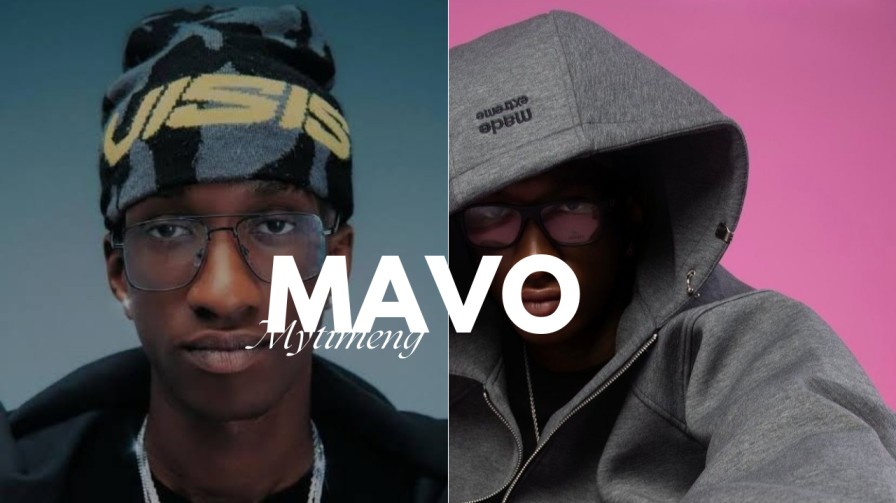
    Now moving into 2025 and fully entering 2026, one name that has clearly taken that spotlight is Mavo.

    Who Exactly Is Mavo?

    Mavo didn’t just come out of nowhere, but the way he entered the mainstream? Sudden and loud.

    From early 2025, his sound started spreading fast,  TikTok, playlists, streets, even clubs. Before long, people were already saying “that Mavo sound” like it was its own genre.

    He calls his sound “Burbur Music” — a mix of Afrobeats, rap, street slang, melody, and pure swagger.

    Not too polished, not too rough — just that perfect balance that makes people relate and move.

    One thing about Mavo, he knows how to turn simple everyday words into addictive hooks. Lines that don’t even look deep at first, but once you hear them, they stick.

    That’s the real “Burbur effect.”

    Just like Shallipopi in 2023, nobody really saw him coming like that. But once he entered, he didn’t come quietly.

    Background (Real Life & Education)

    Mavo’s real name is Oseremen Marvin Ukanigbe.

    He’s from Ekpoma, Edo State, from the Esan tribe (Emaduo precisely), and that background plays into his sound and identity.

    Unlike many artists, Mavo is not fully into music alone.

    He’s still a student at Afe Babalola University (ABUAD), studying Optometry, with graduation expected around July 2026.

    Before, people used to say Medicine, but updated info now confirms Optometry.

    So imagine balancing school stress, exams, clinicals, and still dropping viral songs — that’s discipline.

    Quick Facts:

    • Full Name: Oseremen Marvin Ukanigbe
    • Date of Birth: November 1, 2003
    • Age: 22 (as of 2026)
    • State: Edo State (Ekpoma)
    • Tribe: Esan
    • Course: Optometry
    • School: ABUAD
    • Status: Independent Artist (Kilogbede Records Ltd)

    Music Journey (From SoundCloud to Mainstream)

    Mavo didn’t start with big studios or connections.

    Back then, he was making beats with tables, spoons, and hands, real street creativity.

    He started gaining early attention on SoundCloud, where fans picked up his sound naturally.

    No heavy promotion. Just vibes.

    His debut EP “Ukanigbe” (2023) was more like an introduction, raw, unfiltered, and personal.

    From there, he kept building:

    • SANKO
    • SANKO II (Deluxe)
    • Kilometer
    • Kilometer II
    • Kobilou Kilobizzy

    Each project showed growth — from street energy to more refined sound.

    But the real breakout moment?

    Escaladizzy.

    That track changed everything.

    Then Escaladizzy II came and pushed it further, bringing in bigger names and wider reach.

    Mavo Streaming & Audience Numbers (2026 Update)

    Mavo’s rise in 2026 is reflected not just in viral songs but in serious numbers across major streaming platforms. From Spotify to YouTube, his music is reaching millions and building a loyal fanbase. Below is a breakdown of his current streaming stats:

    Platform Followers / Subscribers Monthly Listeners / Views Total Streams / Engagement Notes
    Spotify ~553K followers ~3.6M monthly listeners ~378M total streams Multiple tracks with 10M+ streams; major hits: MONEY CONSTANT, Mofe, Escaladizzy
    Apple Music N/A N/A High engagement across Nigeria & Africa Tracks charting on Nigeria & UK Afrobeats charts
    YouTube (Official) ~62K subscribers N/A Videos: 70K–1M+ views per video Visuals include Mofe, Shakabulizzy, Escaladizzy II
    SoundCloud ~3.8K followers N/A Early releases & exclusive tracks Still active for independent fanbase and experimental tracks
    TikTok 234k followers Viral trends Millions of video uses & views Tracks like Escaladizzy, Shakabulizzy, MONEY CONSTANT trending in challenges & dance clips
    Other Playlists / DSP Reach ~652K followers (across platforms) N/A ~450M+ combined streams Placement in ~1,800+ playlists with reach of ~38M+ listeners

    Hit Songs & Big Collaborations

    Mavo is not just dropping songs — he’s already working with top artists in the game.

    He has collaborated with:

    • Wizkid
    • Davido
    • Ayra Starr
    • Zlatan
    • CKay
    • Shallipopi

    That alone shows the level he’s already entering.

    Notable Songs:

    • Mofe (2026)
    • Shy Lover
    • Use Me (feat. P.Priime)
    • Money Constant (feat. Wizkid, DJ Tunez, DJ Maphorisa)
    • Shakabulizzy + Remix (feat. Davido)
    • Escaladizzy
    • Escaladizzy II (feat. Ayra Starr, Shallipopi, Zlatan)
    • Big Bum Bum
    • BODY (danz) (feat. CKay)
    • Shooting Star

    Most of these songs have strong presence on TikTok, Apple Music Nigeria, and even UK Afrobeats charts.

    Streaming Growth & Fanbase (2026 Update)

    Mavo’s numbers have grown massively compared to 2025.

    • Spotify Monthly Listeners: 3.6M+
    • Instagram: 300K+ followers
    • YouTube: Fast-growing with multiple viral visuals
    • TikTok: Strong engagement + viral sounds

    From under 100K audience to millions — that’s not normal growth, that’s a wave.

    Style, Sound & Identity

    Mavo’s music is built on:

    • Street reality
    • Youth lifestyle
    • Love & relationships
    • Hustle & ambition
    • Lagos energy

    His delivery is very expressive — sometimes playful, sometimes aggressive, sometimes emotional.

    And visually, he matches it with colorful, energetic videos.

    He’s not trying to sound like anyone, he’s building his own lane with Burbur Music.

    Final Take (Why Mavo Is Different)

    Mavo is not just another “blow today, disappear tomorrow” artist.

    He has:

    • A unique sound (Burbur Music)
    • Strong street connection
    • Real fanbase growth
    • Big collaborations early
    • Consistency

    And the craziest part?

    He’s doing all this while still in school.

    That alone shows hunger.

    From SoundCloud beginnings to working with top names like Wizkid and Davido, Mavo is clearly positioning himself not just for Nigeria, but for global Afrobeats.

    2026 is not just his breakout year anymore.

    It’s the year he starts proving he’s here to stay.

  • Who Is Fola —The 2024 Afro-R&B Wave

    Who Is Fola —The 2024 Afro-R&B Wave

    In Nigeria, every year feels like a fresh wave in the Afrobeats ocean, one new artist pops up, catches a vibe, and suddenly everyone’s playlist is on repeat. The competition is crazy, the hustle is deep, and the story is almost always the same: raw talent meets tough reality.

    Most of these artists have been grinding since secondary school, studio nights, free shows, recording in tight corners with friends, all for that one big break. But only a small percentage ever get to taste fame. And even when they do, some barely cross their state borders.

    Still, Afrobeats never stops evolving.
    Here’s how the recent waves rolled out:
    2020 → Omah Lay, Fireboy, Joeboy
    2021 → Ayra Starr, Mohbad, Black Sherif
    2022 → Asake, Seyi Vibez
    2023 → Shallipopi, ODUMODUBLVCK
    And then came 2024 → Fola.

    At first, his name moved quietly around the streets of Lagos, small performances, snippets on TikTok, and a few reposts from Bellashmurda’s Dangbana Republic label.

    But by mid-2024, that quiet noise had turned into a real movement. People started asking, “Who’s this Fola guy?”

    By the time the year wrapped, the answer was clear, Fola wasn’t just another upcoming artist; he was the 2024 breakout. His sound carried that mix of street grit and soul emotion, blending Afro-R&B melodies with a Lagos-boy vibe that made his songs both deep and danceable.

    He had the confidence of a street boy but the voice of a star. His energy felt different, cool, spiritual, and confident, like someone who’s not rushing fame but knows it’s already his.

    And even when everyone expected 2025 to belong fully to Dapper’s Tml Vibez and Muyeez, Fola reminded us that the music scene is unpredictable. You can’t plan a wave—it just happens, and when it does, you either surf it or get swept under.

    Meet Fola (Folarin Odunlami)

    Born in 2001, Folarin “Fola” Odunlami is a Lagos-based singer-songwriter redefining the new Afro-R&B era. His sound blends African rhythms, soft percussion, and emotional storytelling, music that feels personal yet powerful.

    After his breakout EP What a Feeling, Fola started building momentum with relatable songs about hustle, love, and growth. Then came Catharsis, his debut album, a pure mix of introspection and rhythm that proved he wasn’t just another street artist; he was a full-on creative force.

    He’s currently signed under Dangbana Republic, the same label run by Bellashmurda, and has quickly become the label’s biggest next-gen artist.

    Quick Stats (as of late 2025)

    • Followers: 1.47M
    • Streams: 427M+
    • Playlists: 1,715
    • Playlist Reach: 36.4M
    • Charts: 308
    • Shazams: 3.24M
    • Videos: 1M+
    • Total Views: 606M+

    Why Fola Stands Out

    Fola doesn’t chase trends, he builds moments. His delivery has that effortless vibe, mixing soulful vocals with the streetwise tone of a Lagos dreamer.

    He sings like someone who’s seen both sides of the city,the beauty and the grind and that’s why people connect with him.

    His collabs have started drawing attention both locally and internationally, with names like Kareem Mobolaji, Nicole Dupuis, and Patrick Oyeyiola in his circle.

    Fola represents balance, between street and soft, between hustle and calm. That’s why his fanbase keeps growing daily.

    2024 may have introduced him, but 2025 is shaping up to be the year Fola stamps his name across Afrobeat history.