
Success in the Nigerian film industry doesn’t come by noise or hype alone. It comes from consistency, patience, and truly understanding the craft. That’s why when people talk about longevity and relevance in Yoruba Nollywood, Muyiwa Ademola is always part of the conversation. He’s not one of those actors that pop up today and disappear tomorrow. His journey is built on years of hard work, learning, setbacks, and quiet wins that many people don’t see from the outside.
Unlike many actors who chased fame first, Muyiwa Ademola focused on storytelling, character depth, and discipline. That approach is what kept him relevant across generations, from VHS days to cinema releases and now digital platforms. Below is a complete and clean profile of his life, career, and everything that matters about him.
Who Is Muyiwa Ademola?
Muyiwa Ademola, widely known as Muyiwa Authentic, is a respected Yoruba Nollywood actor, film producer, director, and scriptwriter. He is one of the few actors who successfully combined acting with directing and scriptwriting, making him a full creative force within the Yoruba movie industry.
He is best known for deep, emotional roles and culturally grounded stories that connect strongly with Yoruba audiences both in Nigeria and abroad.
Early Life and Background
Muyiwa Ademola was born on January 26, 1971, in Abeokuta, Ogun State, Nigeria. He spent most of his early years in Ibadan, Oyo State, where he completed his primary and secondary education.
Growing up, acting was not fully accepted as a career choice in his family. Like many Nigerian homes at the time, education and conventional professions were strongly encouraged. Despite this, Muyiwa remained drawn to storytelling and performance.
Education
He studied adult education at the University of Ibadan, one of Nigeria’s most respected universities. His academic background helped shape his approach to filmmaking, especially his focus on social issues, moral lessons, and realistic storytelling in Yoruba films.
Acting Career and Breakthrough
Muyiwa Ademola officially began acting in 1991, appearing in stage plays and early Yoruba productions. His career took a serious turn when he moved into film production and directing.
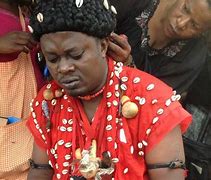
His major breakthrough came with the movie “Ori,” released in 2004. In the film, he played a mentally unstable character, a role that demanded emotional depth and strong delivery. The movie was both directed and produced by him, which was a bold move at the time.
“Ori” went on to win Best Indigenous Film at the Africa Movie Academy Awards, placing Muyiwa Ademola among the most respected creative minds in Nollywood.
Film Production and Directing
Beyond acting, Muyiwa Ademola is the founder of Muy Authentic Presentations, a film production outfit responsible for several successful Yoruba movies. He is also the brain behind the Authentic School of Drama, established to train upcoming actors and filmmakers.
Over the years, he has been involved in more than 100 film projects, either as an actor, director, producer, or scriptwriter.
Notable Movies
Some of Muyiwa Ademola’s most popular and impactful films include:
- Ori
- Ori Rebirth
- Ajepò
- Warlord: Olori Ogun
- Iyigba
- Iku Aliyah
- Ofege
- Wokilumo
- Gbàràdá
- House of Ga’a
His films are known for strong cultural themes, emotional realism, and moral depth.

Family Life
Muyiwa Ademola is married to Omolara Ademola. The couple got married on June 23, 2006, and their marriage is often described as one built on patience, understanding, and mutual support.
He is a father of five children. Despite being a public figure, Muyiwa keeps his family life relatively private, occasionally sharing moments during celebrations or milestones.
He has openly acknowledged his wife’s role in supporting him during difficult periods in his career, including moments when he considered stepping away from acting.
Health Challenges and Personal Struggles
In 2013, Muyiwa Ademola survived a serious car accident that affected both his health and career momentum. He later spoke about dealing with depression during that period, crediting his family for helping him recover emotionally and mentally.
His openness about personal struggles earned him respect within the industry and among fans, especially for addressing mental health without shame.
Net Worth and Sources of Income
Muyiwa Ademola’s exact net worth is not officially confirmed, but industry estimates place him among the financially successful Yoruba actors.
His income comes from:
- Acting roles
- Film production and directing
- Scriptwriting
- Brand endorsements
- Film-related training and consultancy
He is often listed among the richest Yoruba actors, based on career consistency rather than luxury lifestyle display.
Awards and Recognition
Muyiwa Ademola has received several awards and recognitions for his contributions to Yoruba cinema, including:
- Best Indigenous Film award for Ori
- Outstanding Cinematic Achievement awards
- Multiple recognitions from Yoruba film associations
He is also frequently invited as a guest speaker and industry voice on Nollywood-related discussions.
Public Image and Reputation
Muyiwa Ademola is known for maintaining a clean and professional image. He has stayed away from major controversies and scandals, focusing more on work, family, and mentorship within the industry.
His colleagues often describe him as disciplined, calm, and deeply committed to the growth of Yoruba cinema.
Frequently Asked Questions (FAQs)
Is Muyiwa Ademola still acting?
Yes. He is actively involved in acting, directing, and producing films.
What is Muyiwa Ademola famous for?
He is best known for the movie Ori and his contributions to Yoruba Nollywood as an actor and filmmaker.
Is Muyiwa Ademola married?
Yes. He is married to Omolara Ademola and has five children.
What kind of movies does he produce?
He focuses mainly on Yoruba-language films with strong cultural and moral themes.
Final Note
Muyiwa Ademola’s career stands as proof that consistency and passion still matter in Nollywood. He didn’t chase shortcuts or trends; he built his name slowly through quality work and respect for the craft. For anyone interested in the real structure of Yoruba cinema, his journey remains one of the most solid examples to study.