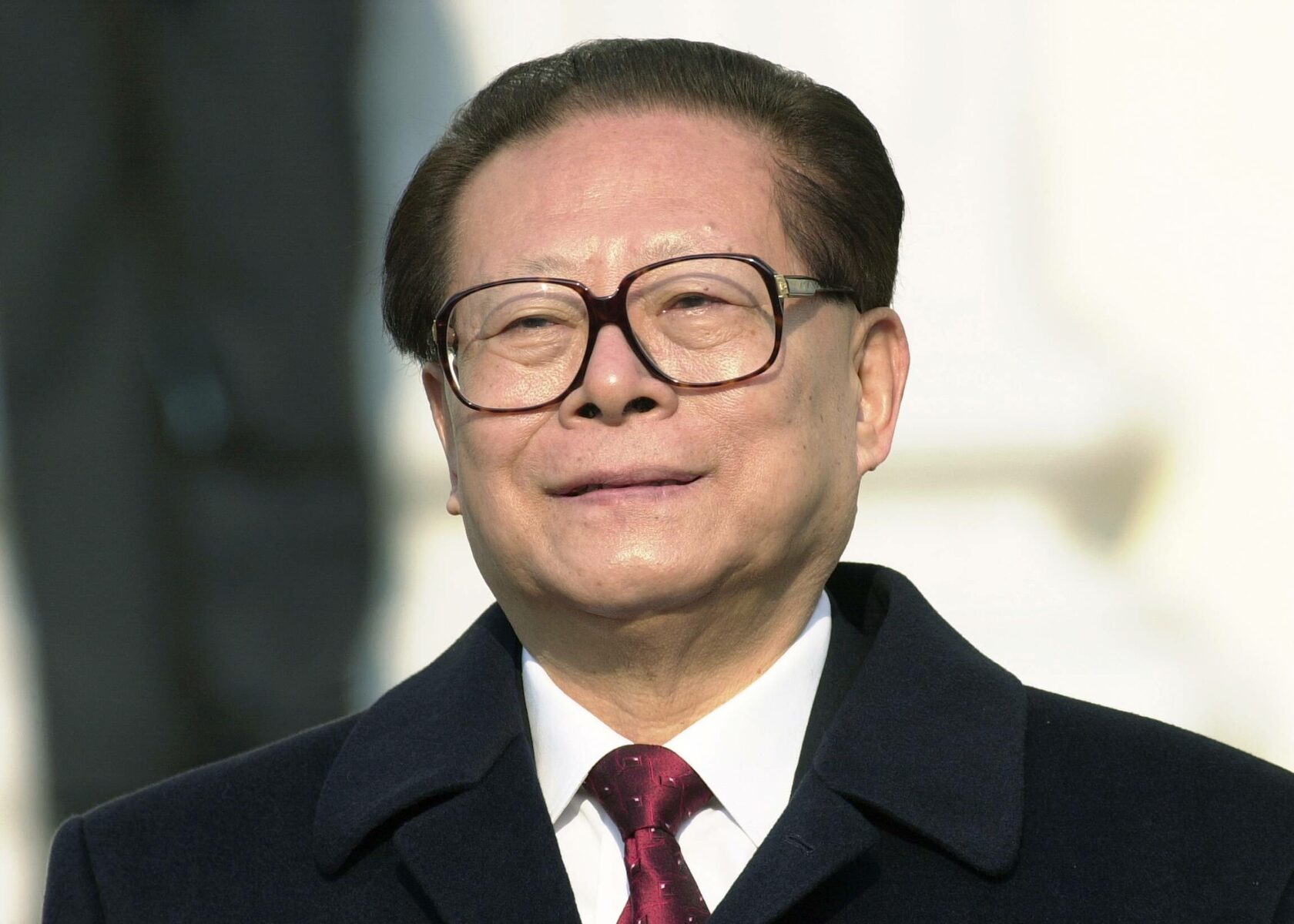
Jiang Zemin is one of the leadership figures. He marked a turning point in modern Chinese history, especially in how China positioned itself economically and globally after a sensitive political era.
In this article, you’ll find a clear and balanced biography of Jiang Zemin, his background, rise to power, leadership years, personal life, controversies, and the long-term impact of his rule.
Jiang Zemin (江泽民) was a Chinese politician who served as
- General Secretary of the Chinese Communist Party (1989–2002)
- President of the People’s Republic of China (1993–2003)
- Chairman of the Central Military Commission (1989–2004)
He became China’s top leader after the Tiananmen Square crisis and played a major role in stabilizing the country while pushing economic reforms forward. Jiang is widely associated with China’s transition into a global market-oriented economy and its entry into the World Trade Organization.
He was born on August 17, 1926, in Yangzhou, Jiangsu Province, and passed away on November 30, 2022, in Shanghai.
Early Life and Background
Jiang Zemin had the bad luck of growing up during one of China’s most turbulent periods—the nation was still reeling from war and then political instability. His own family background was distinctly unflashy, and you can pretty much guess his early years were pretty unsettled by the Japanese occupation and the messy Chinese civil conflict.
There was a defining moment in his life that really marked a turning point: the death of his uncle, Jiang Shangqing, a Communist Party member who’d been killed fighting the Japanese. Because of this connection, Jiang had that all-important ‘revolutionary cred’ early on, which later proved to be a real career booster.
Living through years of national struggle worked its way into shaping his very pragmatic, even a bit austere worldview.
Education and Technical Foundation
Jiang studied electrical engineering first at National Central University and then later over at National Chiao Tung University (now Shanghai Jiao Tong University), which was where he graduated in 1947, by the way.
You’d be surprised at how much of a role his engineering background played in how he ran things as a politician, he actually had a real deep understanding of the tech side of things, which set him apart from many of his contemporaries in the business. Plus, he went on to actually work in the industrial research and manufacturing sectors after leaving university.
He joined the Communist Party while still a student, which is no mean feat in itself and later on went to the Soviet Union for some professional training, which gave him a much more in-depth look at industrial systems and state planning models.
Political Career and Rise to Power
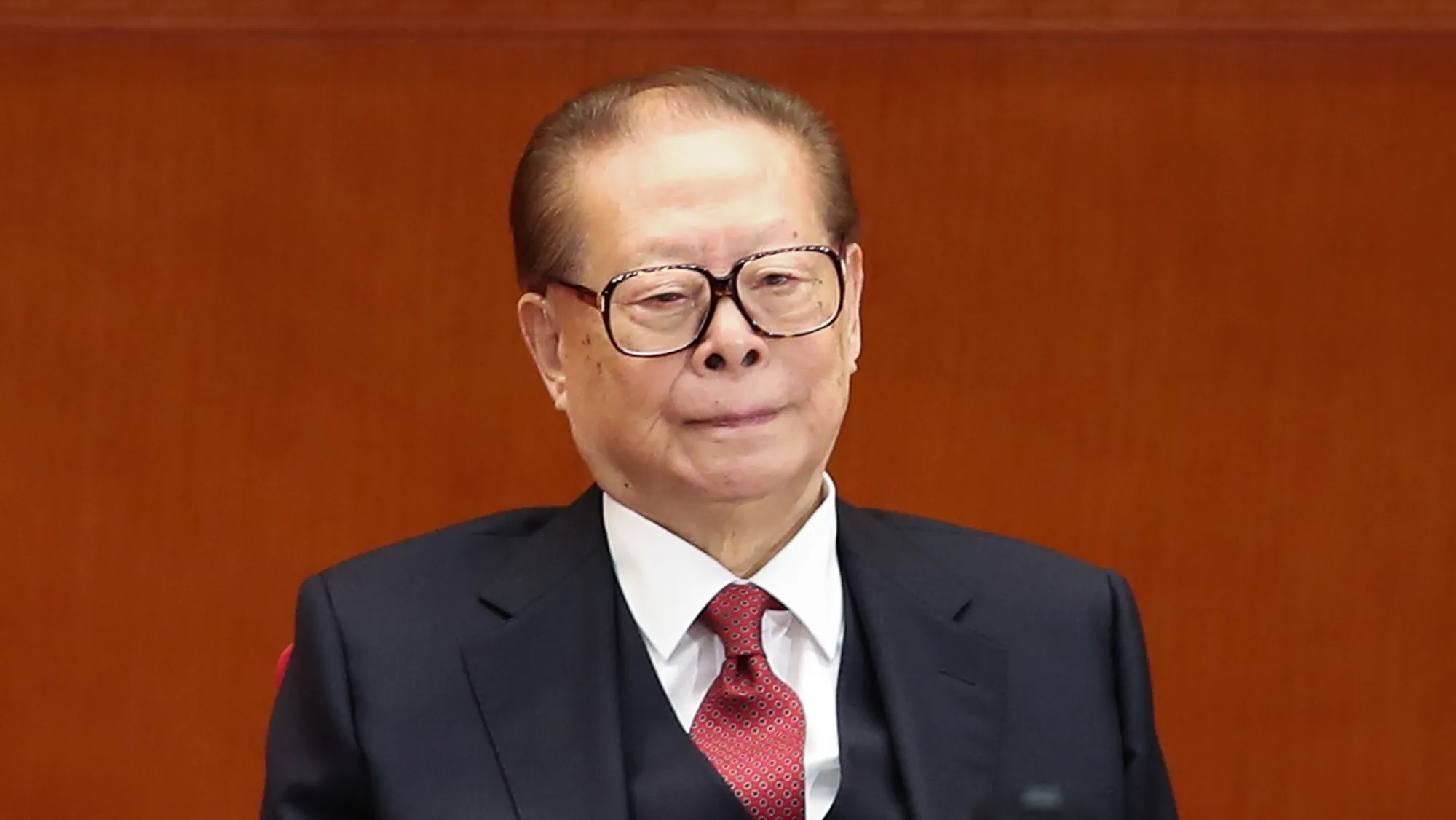
Jiang started his career in some of China’s key industrial and electronics sectors and gradually got himself into a few government roles before ending up as the vice minister of the Ministry of Electronics Industry.
This was the real game-changer, he spent some time as mayor and party secretary of Shanghai, which is where he really built up a reputation. His handling of the unrest there was pretty impressive, he managed to do it without any major bloodshed, which got him on the right side of the senior leadership.
After the whole Tiananmen Square business in 1989, Jiang got promoted to General Secretary of the Communist Party, which marked the start of his quite lasting impact on China’s politics.
Leadership Style and Major Policies
Jiang’s approach to leadership was pretty straightforward: he wanted to see China’s economy grow, but he also wanted to keep a tight grip on things. His key ideas included:
- Promoting a “socialist market economy”
- Giving private entrepreneurs and business elites a bit more of a welcome in the Communist Party, through the “Three Represents” theory
- Shepherding China’s entry into the World Trade Organization
- Pumping hundreds of billions of dollars into China’s infrastructure and industrial output
- And cementing China’s place in the global trade and diplomacy scene
Under his watch, China’s economy just took off, but don’t get the idea that he was in any hurry to loosen the strings, political freedoms stayed pretty tightly under wraps.
Cultural Interests and Public Persona
Now, you’d expect Chinese leaders to be a bit stiff and formal, but Jiang was always a bit more of an oddball, for his time, at least. He actually spoke a bit of English and Russian, would quote literature from other countries, and even used to get up to cultural exchanges when he was abroad.
He had a bit of a thing for music too but he could play a few instruments and even had a go on stage a few times. That sort of thing helped to humanize him in the eyes of the public and gave the impression that he was a bit more than just another suit from Beijing.
Family and Private Life
Jiang was married to Wang Yeping, and their relationship was pretty low-key, as most of his family life was. They had two kids, one of whom actually went on to do some pretty interesting work in the tech and academic sectors.
Jiang kept his family pretty much out of the spotlight for most of his life, though, later on, there were a few whispers about some of his relatives’ business dealings.
Net Worth and Financial Shenanigans
Now, Jiang’s personal wealth wasn’t exactly out of this world, he was pretty much on official salaries, and that was it. But as time went on, there were a few whispers about the wealth that had somehow ended up in the hands of some of his extended family members.
Controversies and Criticism
Jiang Zemin’s legacy is not without controversy. Major criticisms include:
- His rise to power following the Tiananmen Square crackdown
- The nationwide suppression of Falun Gong practitioners
- Expansion of political surveillance and control
- Allegations of corruption and elite favoritism
- Growing wealth inequality and environmental neglect during rapid industrial growth
Supporters credit him with stability and growth, while critics argue his policies deepened authoritarian structures.
Legacy and Historical Impact
Jiang Zemin is remembered as a transitional leader who guided China from ideological isolation toward global economic integration. His era laid foundations for modern Chinese capitalism while reinforcing centralized political power.
Today, his leadership is often compared with later administrations as analysts assess long-term policy continuity and change within China’s ruling structure.
Frequently Asked Questions
Who was Jiang Zemin?
Jiang Zemin was a former Chinese president and Communist Party leader who guided China through major economic reforms.
What is Jiang Zemin best known for?
He is best known for promoting market reforms, WTO membership, and the “Three Represents” political theory.
Was Jiang Zemin controversial?
Yes. His tenure included political repression, religious crackdowns, and allegations of corruption.
Did Jiang Zemin support private business?
Yes. He expanded the role of private enterprise within China’s socialist framework.
Conclusion
Jiang Zemin’s life reflects the complexity of modern Chinese leadership, economic progress paired with political control. Whether viewed as a reformer or a conservative power holder, his influence on China’s development and global standing is undeniable.