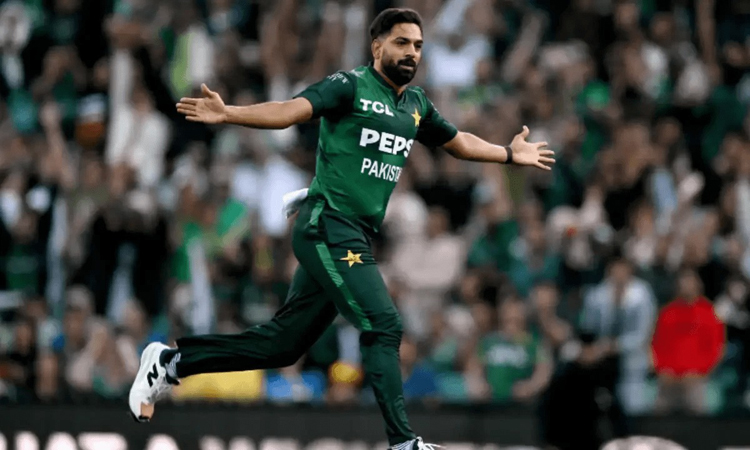
Success in professional sports rarely comes easy, especially for athletes who do not come from privileged backgrounds. In cricket, raw talent alone is not enough; discipline, patience, and the ability to handle pressure often determine who lasts and who fades out. While many fast bowlers are discovered early through structured systems, some take a completely different path before finding their breakthrough. Haris Rauf’s journey fits into that category. His rise from tape-ball cricket to international stardom is not a product of hype, but a result of timing, consistency, and persistence.
In this article, you will get a complete and well-structured look into Haris Rauf’s life, covering his background, personal life, cricket career, achievements, financial growth, and notable moments that shaped his public image.
Biography and Early Life
Haris Rauf was born on November 7, 1993, in Rawalpindi, Punjab, Pakistan. He comes from a modest, working-class family belonging to the Swati tribe, originally from Sharkool village in Mansehra District, Khyber Pakhtunkhwa. His upbringing was simple and disciplined, shaped by limited resources and strong family values.
His father, Rauf Ahmed, worked as a welder with the Pakistan Public Works Department, and the family experienced financial challenges while Haris was growing up. Despite living close to the Diamond Cricket Club in Islamabad, he never formally joined a cricket academy in his early years. Instead, his interest initially leaned toward football, where he represented his school team and even won a player-of-the-tournament award.
Haris attended Islamabad Model College for Boys I-8/3 and later enrolled in an IT program at the International Islamic University, Islamabad. Before committing fully to cricket, he worked in a mobile phone shop and played tape-ball cricket for paid matches. It was only at the age of 23 that he transitioned to hard-ball cricket, a relatively late switch by professional standards.
His turning point came when former Pakistan fast bowler Aaqib Javed noticed him during Lahore Qalandars’ open trials. That discovery opened the door to structured coaching, professional fitness routines, and a clearer path into competitive cricket.
Age and Personal Details
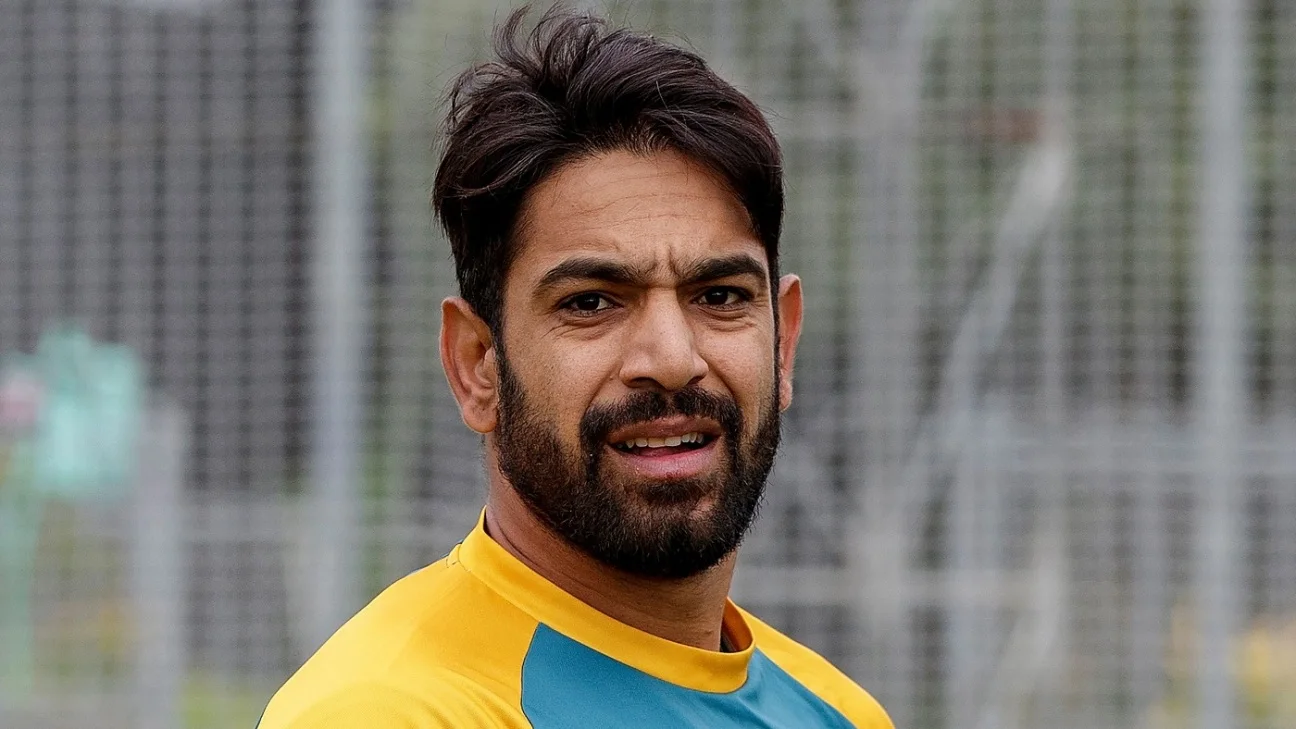
Haris Rauf is 32 years old. He stands at approximately 5 feet 11 inches tall and is known for his explosive pace, often clocking deliveries above 150 km/h. He communicates fluently in Urdu, Punjabi, Hindko, and Pashto. He practices Islam and is widely recognized by the nickname “Mr 150,” a reference to both his bowling speed and his Lahore Qalandars jersey number.
Family and Relationships
Haris Rauf keeps his family life largely private, though it is known that he maintains a close relationship with his parents. Public information about siblings remains limited, as he prefers to keep that part of his life away from media attention.
He is married to Muzna Masood Malik, his longtime partner and classmate. Their marriage ceremony took place in Islamabad in a traditional nikkah setting. Muzna is a fashion model and social media influencer with a growing online presence. The couple welcomed their first child, a baby boy, which was celebrated by teammates and fans alike. No other relationships or personal controversies have been confirmed.
Cricket Career and Rise to Fame
Haris Rauf’s professional career is often described as unconventional. His first major exposure came through franchise cricket rather than domestic red-ball competitions. He made his T20 debut for Lahore Qalandars and quickly became one of the most talked-about fast bowlers in the Pakistan Super League.
His raw pace, aggressive approach, and fearless bowling style earned him opportunities in several international leagues. He played for teams such as Melbourne Stars in the Big Bash League, Yorkshire in county cricket, Rangpur Riders, Welsh Fire, and San Francisco Unicorns. One of his standout moments was becoming the first Pakistani bowler to take a hat-trick in the Big Bash League.
On the international stage, Haris made his T20I debut for Pakistan against Bangladesh, followed by ODI and Test appearances. He became a regular feature in Pakistan’s white-ball squads and played key roles in major tournaments, including the T20 World Cup and Asia Cup campaigns. His performances against top teams earned him recognition as a reliable strike bowler, particularly in high-pressure overs.
Career Achievements and Playing Style
Haris Rauf is best known for his express pace, sharp bouncers, and ability to break partnerships. He has delivered several match-winning spells across formats and remains one of Pakistan’s fastest bowlers. His aggressive style, while effective, has also attracted scrutiny during matches where control becomes challenging, especially at the death overs.
Despite occasional criticism, his consistency across leagues and international fixtures has kept him among the top-ranked fast bowlers in limited-overs cricket.
Net Worth and Financial Growth
Haris Rauf’s estimated net worth is around 5 million US dollars. His income comes from multiple sources, including his central contract with the Pakistan Cricket Board, franchise league salaries, match fees, and endorsement deals.
He earns significant income from playing in leagues such as the PSL, BBL, and other international tournaments. Brand endorsements and sponsorship agreements also contribute to his earnings. Over time, his financial position has improved steadily, allowing him to invest in property and maintain a comfortable lifestyle without excessive public display.
Controversies and Public Attention
Like many high-profile athletes, Haris Rauf has faced moments of controversy. Some incidents include on-field gestures, heated exchanges with fans, and disciplinary actions that resulted in fines or temporary suspensions. These moments sparked public debate but did not significantly derail his career.
He has also faced criticism for performance inconsistencies during crucial matches. However, he has consistently responded by returning to competitive cricket and maintaining his place in team selections.
Conclusion
Haris Rauf’s story is one of late discovery, resilience, and steady growth. From tape-ball matches and odd jobs to bowling at the highest level of international cricket, his journey reflects what persistence and opportunity can achieve when combined with talent.