The creative world is just like in business, usually comes from consistency, discipline, and deep understanding of one’s craft. Many actors chase fame, but only a few become symbols that audiences never forget. In Yoruba Nollywood, Fadeyi Oloro was one of those rare figures. His presence on screen was heavy, his voice carried authority, and his delivery felt real to people who understood Yoruba culture deeply.
Fadeyi Oloro was not the type of actor you watched casually. Once he appeared in a movie, you paid attention. Whether he was chanting incantations, acting as a feared herbalist, or leading a ruthless war front, his roles stayed in the minds of viewers long after the film ended. This article breaks down who he really was, his background, career journey, and personal life, and why his name still carries weight in Yoruba cinema.
Who Was Fadeyi Oloro?
Fadeyi Oloro was the stage name of Ojo Arowosafe, a veteran Nigerian actor, producer, and filmmaker known mainly for his work in Yoruba-language films. He became popular for playing intense traditional roles that required deep knowledge of Yoruba expressions, proverbs, and spiritual themes.
Unlike many actors who relied on exaggeration, Fadeyi Oloro’s strength came from calm delivery and controlled aggression. His characters felt believable, which made many viewers fear him on screen while respecting his talent off screen.
Early Life and Background
Ojo Arowosafe was born in Igbara-Odo, Ekiti State, Nigeria. He grew up in a traditional Yoruba environment, which played a major role in shaping his understanding of culture, language, and traditional belief systems. This background later reflected strongly in the type of roles he was known for in movies.
He had formal education up to the secondary level and lived a simple life before entering the movie industry. Long before fame, he worked different jobs and lived like the average Nigerian, which helped him connect easily with real-life stories portrayed in films.
Journey into Acting
Fadeyi Oloro joined the Yoruba movie industry during the early growth stage of Nollywood, when films were recorded on VHS tapes and sold directly to viewers. This era demanded raw talent because there were no special effects or advanced editing to hide weak performances.
His acting career gained attention when he started featuring in traditional-themed Yoruba films. Producers quickly noticed his ability to deliver incantations clearly and convincingly without overacting. This skill made him a natural choice for roles involving herbalists, warlords, shrine priests, and feared antagonists.
Career Highlights and Notable Roles
Over the years, Fadeyi Oloro featured in over one hundred Yoruba movies. Some of his most recognized works were traditional epic films where culture and conflict played major roles.
He became widely known through movies such as Abijawara and several films where he played dominant antagonist roles that challenged kings, warriors, and communities. His screen name, “Fadeyi Oloro,” eventually became a brand on its own, to the point where many viewers believed he practiced what he acted.
Aside from acting, he also produced and directed some Yoruba films, contributing to the growth of indigenous storytelling in Nollywood.
Acting Style and Cultural Impact
Fadeyi Oloro’s acting style was rooted in authenticity. He understood Yoruba spirituality, folklore, and oral tradition, and he delivered them naturally without trying to impress the camera.
His incantations were not rushed, his movements were controlled, and his expressions carried meaning. This made his characters feel dangerous and respected at the same time. For many viewers, especially those who grew up in rural areas, his movies felt close to reality rather than fiction.
Personal Life
Despite his popularity, Fadeyi Oloro lived a very private life. He was married and had children, but he rarely exposed his family to the public. He preferred to let his work speak for him rather than chase publicity.
Colleagues often described him as calm, humble, and respectful off camera, which was the complete opposite of the characters he played in movies.
Health Challenges and Final Years
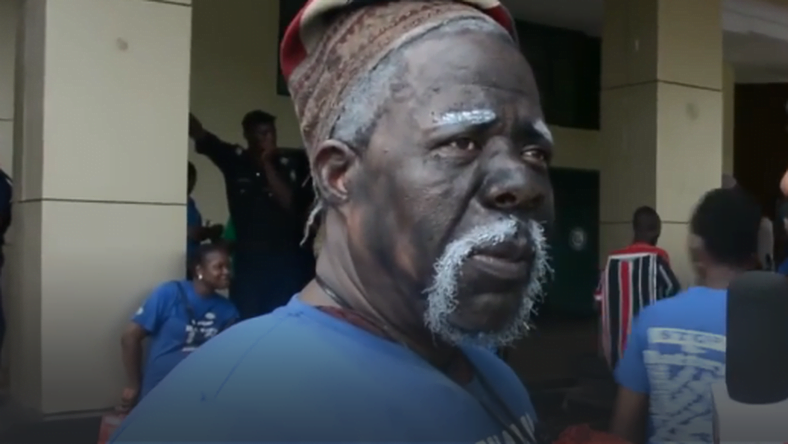
In his later years, Fadeyi Oloro faced serious health challenges, including kidney-related complications. His condition affected his ability to work consistently, and at some point, he publicly sought financial assistance for medical treatment.
This period opened conversations about the welfare of veteran actors in Nollywood and how fame does not always translate to financial security. Despite his struggles, he remained hopeful and appreciative of the support he received from fans and colleagues.
Death
Fadeyi Oloro passed away on March 7, 2023, at the age of 66 after battling a prolonged illness. His death was widely mourned within the Yoruba film industry and among fans who grew up watching his movies. Many actors, producers, and viewers paid tribute to him for his contributions to Nollywood.
Legacy and Influence
Fadeyi Oloro left behind more than movies; he left a standard. His work showed that cultural roles could be delivered with depth and dignity without turning them into comedy or exaggeration.
Young Yoruba actors still study his performances to understand pacing, dialogue delivery, and character control. His movies continue to circulate online and on television, introducing new audiences to his unique talent.
Frequently Asked Questions
What was Fadeyi Oloro’s real name?
His real name was Ojo Arowosafe.
Where was Fadeyi Oloro from?
He was from Igbara-Odo in Ekiti State, Nigeria.
Why was Fadeyi Oloro famous?
He was famous for playing powerful traditional roles, especially herbalists and war generals, in Yoruba Nollywood movies.
Was Fadeyi Oloro married?
Yes, he was married and had children, though he kept his family life private.
How many movies did Fadeyi Oloro act in?
He featured in over one hundred Yoruba films throughout his career.
Conclusion
Fadeyi Oloro was not just an actor; he was a cultural figure whose work preserved Yoruba storytelling on screen. His calm authority, deep voice, and authentic delivery made him unforgettable. Even after his passing, his movies remain a reference point for serious traditional roles in Nollywood.
For anyone interested in Yoruba cinema, understanding Fadeyi Oloro’s life and work is essential. His legacy continues to live through the stories he told and the standard he set.