10 Best Places to Live or Move to in South Africa (2026): Honest Lifestyle Breakdown, Jobs, Cost of Living, & Relocation Guide
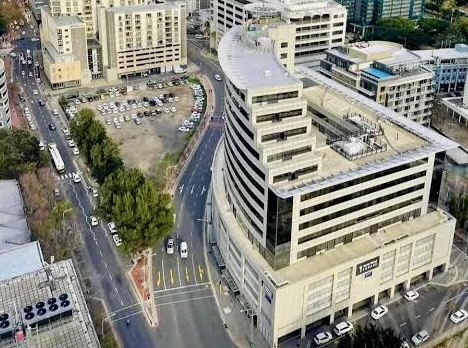
If you’re sitting in Abuja or any part of the world thinking about a new environment, better structure, or simply a different kind of daily life, South Africa is one of those destinations that often comes up. Not because it is perfect, but because it offers a mix of opportunity, modern cities, and lifestyle diversity that still stands out in Africa.
The reality is simple: while many people struggle with rising costs and limited opportunities, others are relocating to places where income potential, business access, and quality of life feel more balanced. South Africa is part of that conversation.
The country is powered by strong cities driven by finance, tourism, mining, tech, agriculture, and government systems. Because of that, living experiences differ widely depending on the city you choose. Some places are fast-paced and expensive, others are quiet, affordable, and family-friendly.
Before anything else, here is the basic relocation reality:
Moving to South Africa requires proper planning. Most Nigerians relocate through work visas, study permits, or business-related permits. You will need documents such as medical reports, police clearance, proof of funds, and a clear purpose of stay. The cost of living also depends heavily on location and lifestyle. Exchange rates fluctuate, but the South African Rand (ZAR) generally translates to a significantly higher value in naira terms, so budgeting is very important.
1. Cape Town (Western Cape) – Lifestyle Capital of South Africa
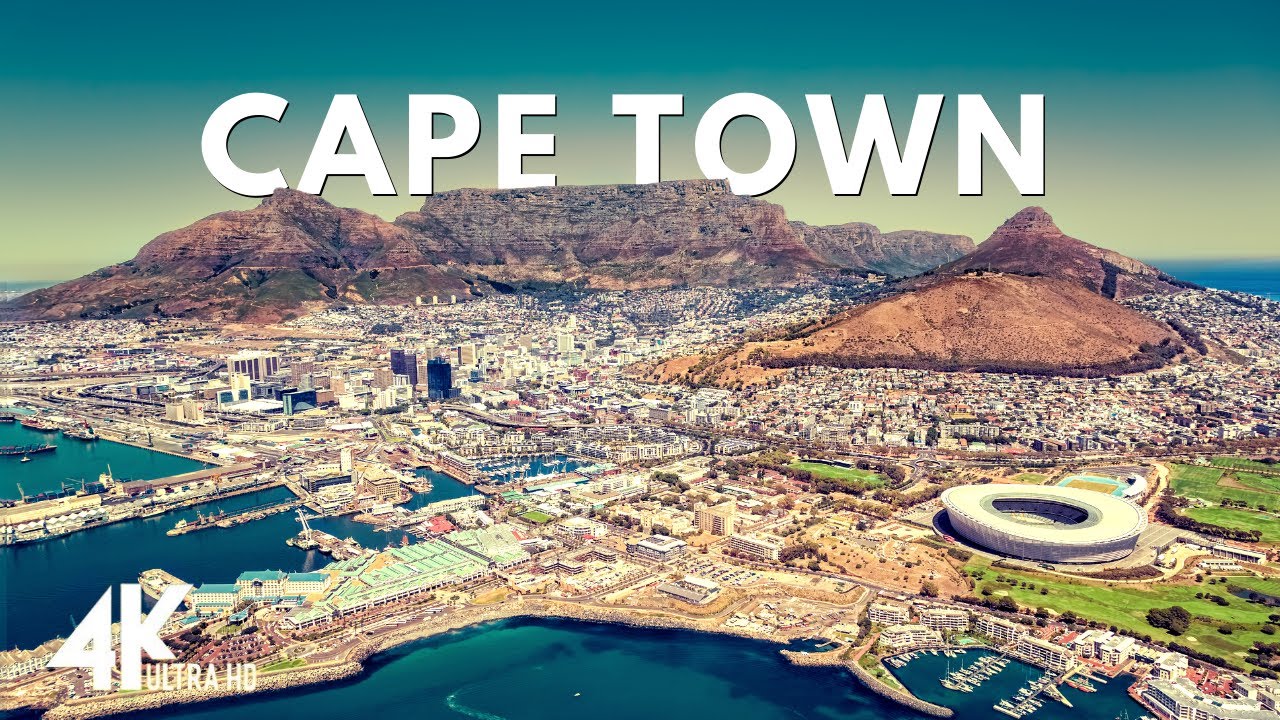
Cape Town is often the first city people mention, and for good reason. It combines ocean views, mountains, tourism, and a strong international community.
Life here is structured and visually beautiful, but it is also one of the more expensive cities in the country. The infrastructure is strong, schools are well-developed, suburbs are clean, and the social life is active.
Work opportunities are mainly found in tech, tourism, creative industries, hospitality, and remote work sectors. Areas like Sea Point, Camps Bay, and the Southern Suburbs are popular among professionals and families.
The lifestyle is outdoor-focused—beaches, hiking, wine farms, and events are part of everyday living.
Downside: High cost of living and safety differences depending on the area.
2. Johannesburg (Gauteng) – Business and Economic Powerhouse
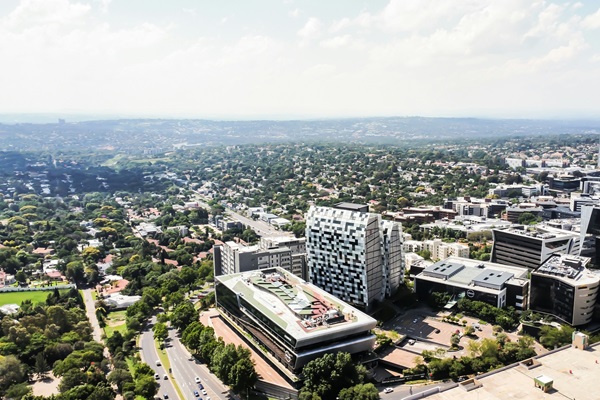
Johannesburg is the economic heart of South Africa. If Cape Town is about lifestyle, Johannesburg is about business and opportunity.
The city is driven by finance, mining headquarters, corporate offices, logistics, and large-scale retail. Sandton is the main business district where major companies operate.
For many Nigerians, Johannesburg is where import/export businesses, tech services, and retail ventures grow faster due to population size and demand.
Housing varies widely—from luxury estates in the northern suburbs to more affordable areas closer to the city center.
Downside: Heavy traffic, safety concerns in some areas, and a very fast-paced lifestyle.
3. Durban (KwaZulu-Natal) – Coastal City with Balance
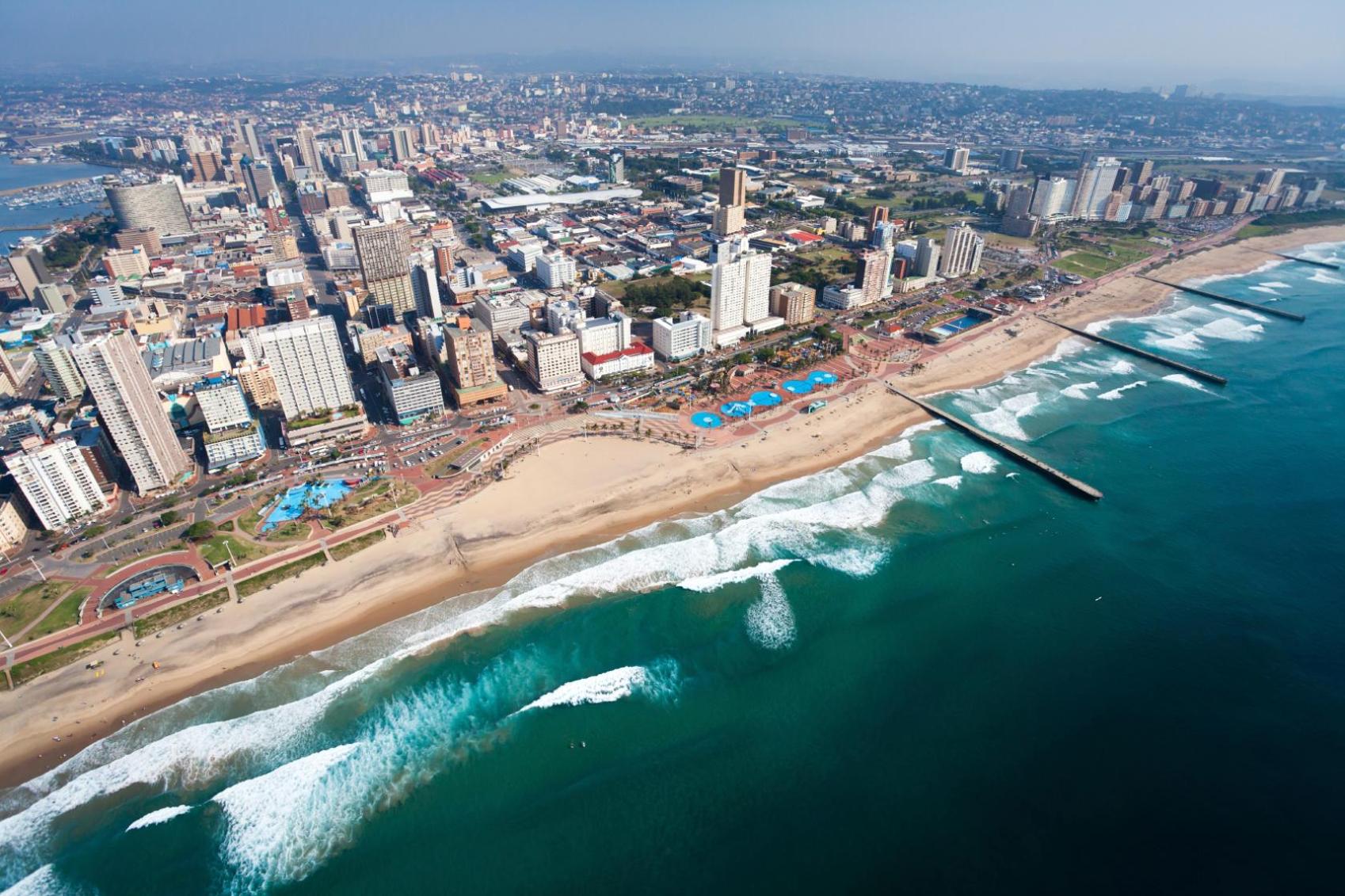
Durban offers a mix of business and relaxed coastal living. The city is warm all year round and has a strong Indian cultural influence. It also hosts one of the busiest ports in Africa.
Job opportunities are mainly in shipping, logistics, manufacturing, tourism, and trade. Compared to Cape Town and Johannesburg, the cost of living is generally more affordable.
Areas like Umhlanga are modern, safe, and family-oriented, while central Durban is more commercial.
Downside: Safety varies significantly depending on the neighbourhood.
4. Pretoria (Gauteng) – Calm Administrative Capital
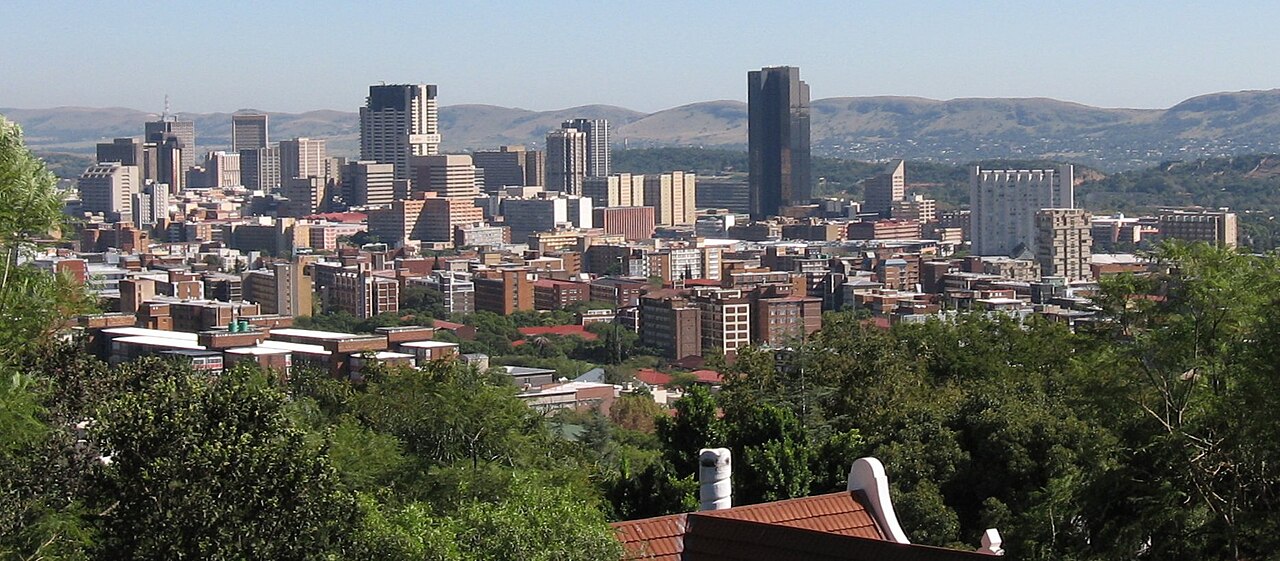
Pretoria is quieter and more structured than Johannesburg, but still close to major opportunities.
It is home to government institutions, embassies, universities, and research centres. The environment is more residential and less chaotic.
Families often prefer Pretoria because of its calm lifestyle, good schools, and organized suburbs.
Downside: Fewer entertainment and nightlife options compared to larger cities.
5. Gqeberha (Eastern Cape) – Affordable Coastal Living
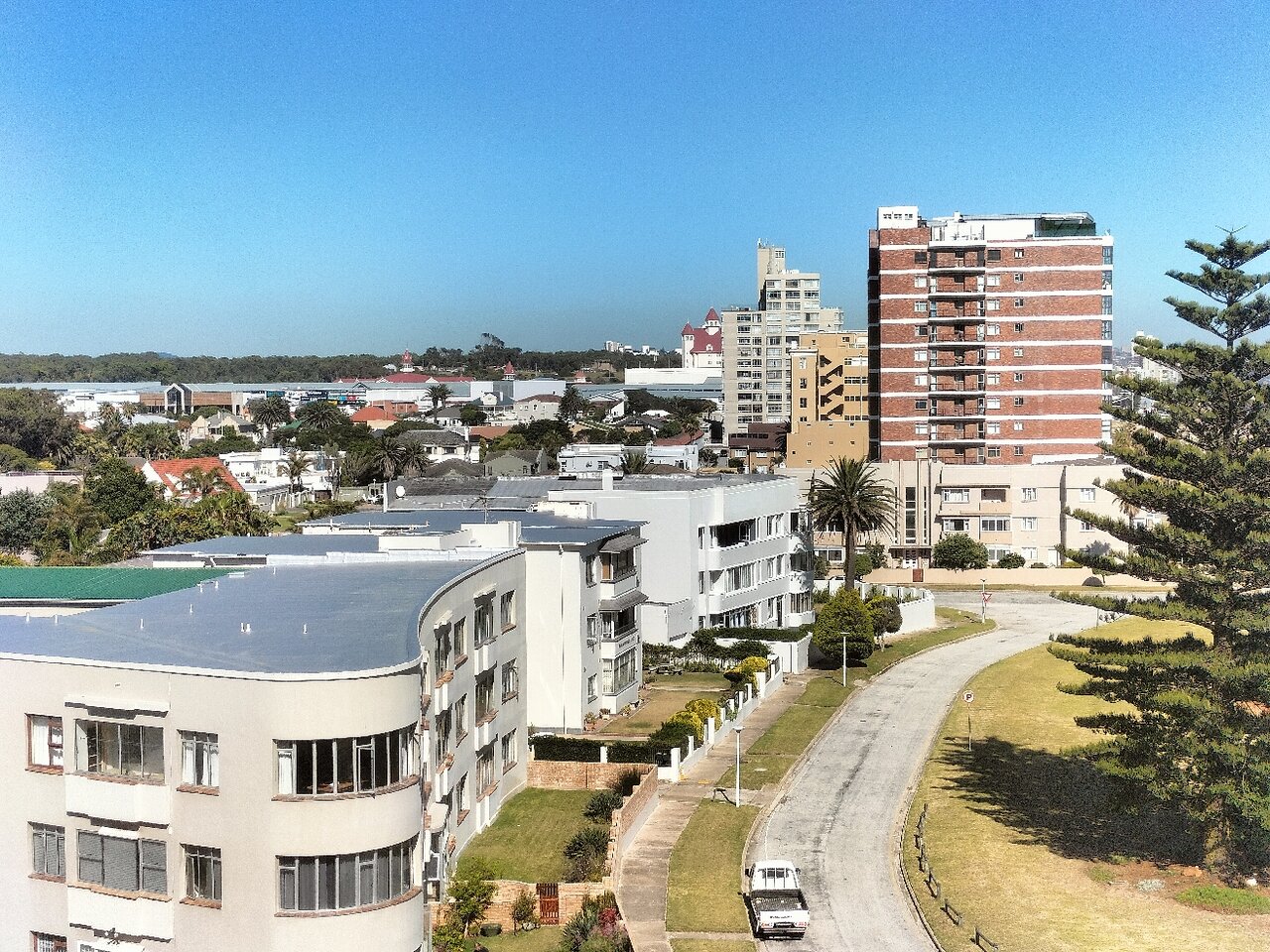
Formerly known as Port Elizabeth, Gqeberha is one of the most underrated cities in South Africa.
It offers affordable housing, a calm environment, and a strong sense of community. The economy is smaller, mainly focused on manufacturing, automotive industry, and education.
It is ideal for people prioritizing peace and low cost of living.
Downside: Limited high-income job opportunities compared to bigger cities.
6. George (Western Cape) – Nature-Focused and Quiet Living
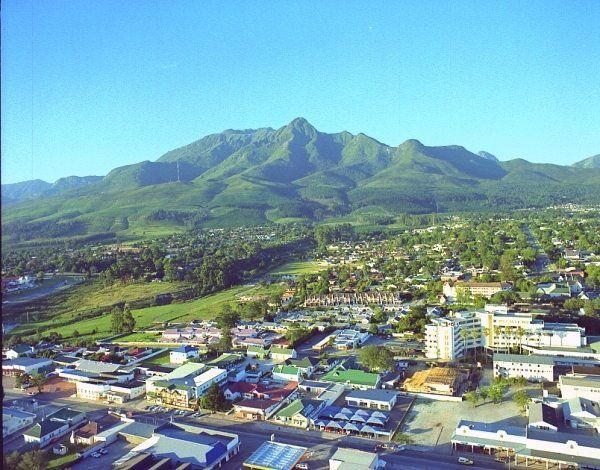
George is located along the Garden Route and is known for its clean environment and safe lifestyle.
It attracts remote workers, retirees, and families who prefer a slower pace of life. Tourism and small businesses form the backbone of the economy.
It is not a fast-moving city, but it offers stability and natural beauty.
Downside: Limited corporate job opportunities.
7. Port Shepstone (KwaZulu-Natal South Coast) – Budget Coastal Option
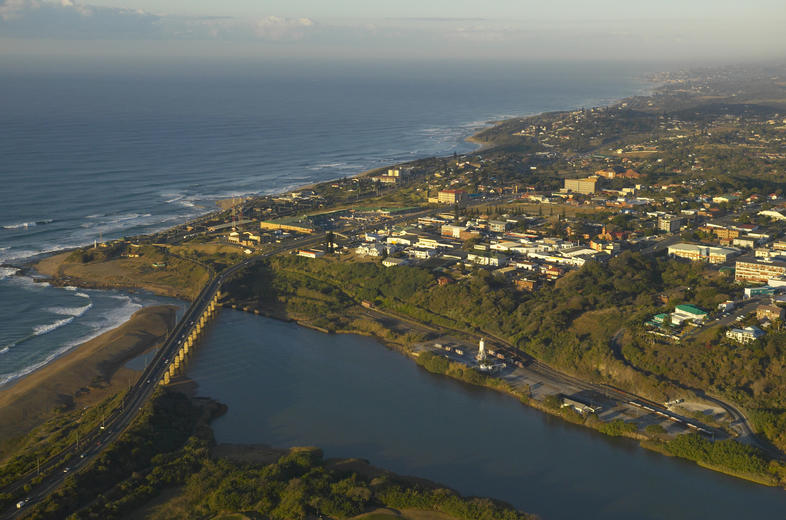
Port Shepstone is a smaller coastal town that is slowly developing. It is affordable and close to beaches, with basic tourism and retail activity.
It is suitable for people who want coastal living without the high costs of major cities.
Downside: Limited infrastructure and fewer modern facilities.
8. Ballito (KwaZulu-Natal North Coast) – Growing Modern Suburb
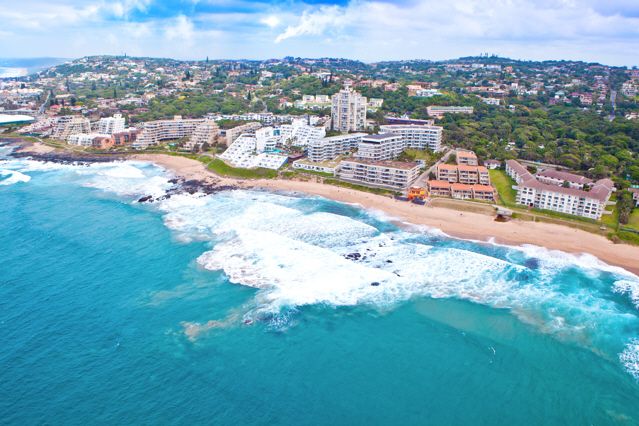
Ballito is a fast-growing residential area with gated estates, modern shopping centres, and strong property development.
It attracts middle- and upper-class families due to safety, modern housing, and proximity to Durban.
Downside: Rising property prices and increasing demand.
9. Stellenbosch (Western Cape) – Academic and Wine Region
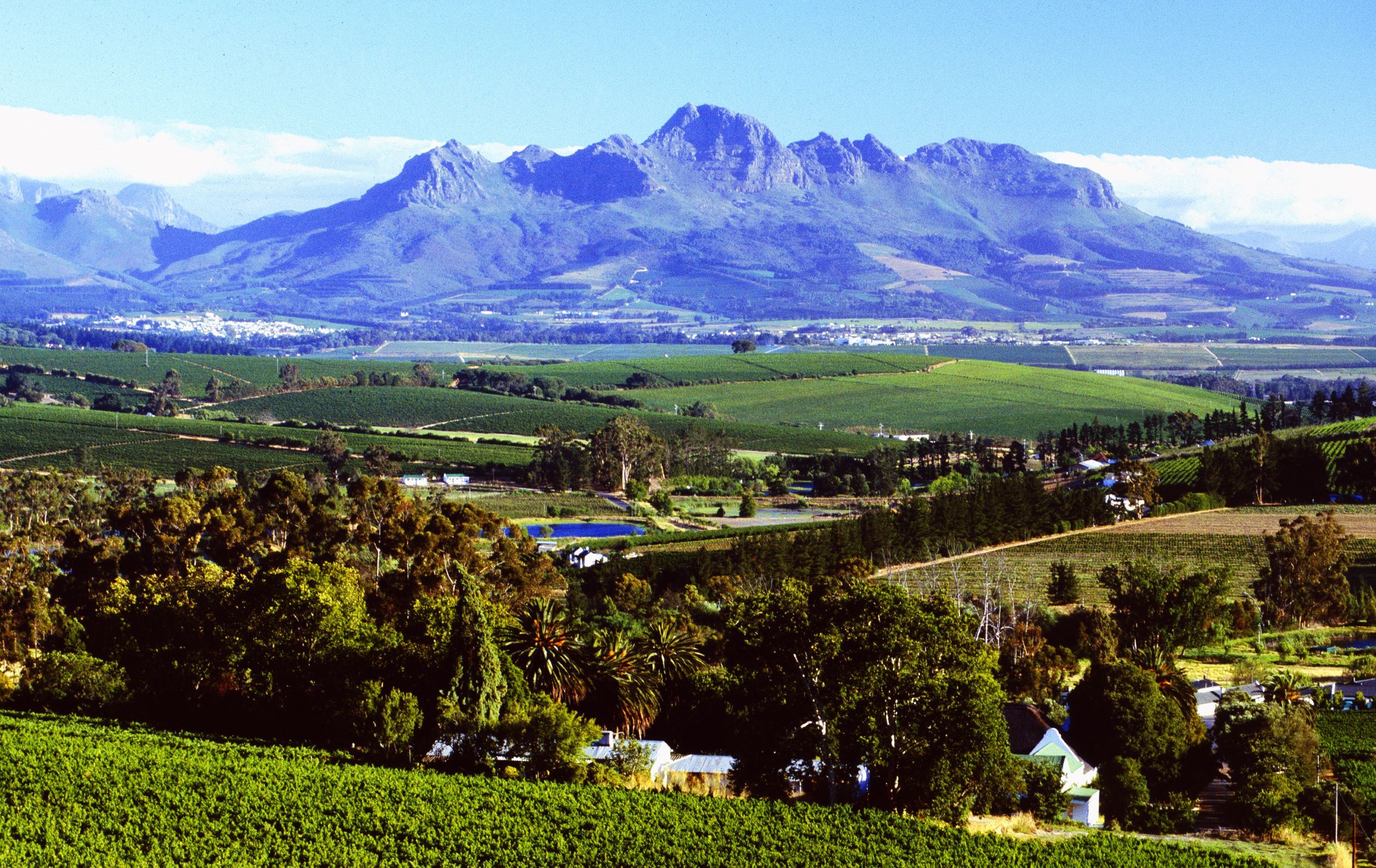
Stellenbosch is a university town surrounded by vineyards and nature.
It has a strong academic presence, a safe environment, and a well-structured lifestyle. It is popular among students, researchers, and people who prefer calm living.
Downside: Limited job diversity outside education, research, and tourism.
10. White River (Mpumalanga) – Hidden Peaceful Town

White River is a small, peaceful town known for greenery, farming, and tourism.
Life here is slow and quiet, making it ideal for people looking to escape urban pressure and live affordably.
Downside: Very limited urban development and job opportunities.
Final Thoughts
South Africa is not a one-size-fits-all country. Each city operates like its own lifestyle system. Johannesburg represents money and business energy, Cape Town offers lifestyle and beauty, Durban brings coastal balance, while smaller towns offer peace and affordability.
For Nigerians planning relocation, the real decision is not just about “the best city,” but about the kind of daily life you want to build.
With proper planning—right visa route, budgeting, and location choice—South Africa can offer real opportunities in business, work, and lifestyle. However, it requires awareness and preparation, not assumptions.