Smart Microfinance Loan Apps in Nigeria: How Digital Lending Is Changing Small Business Funding and What You Must Know Before Applying
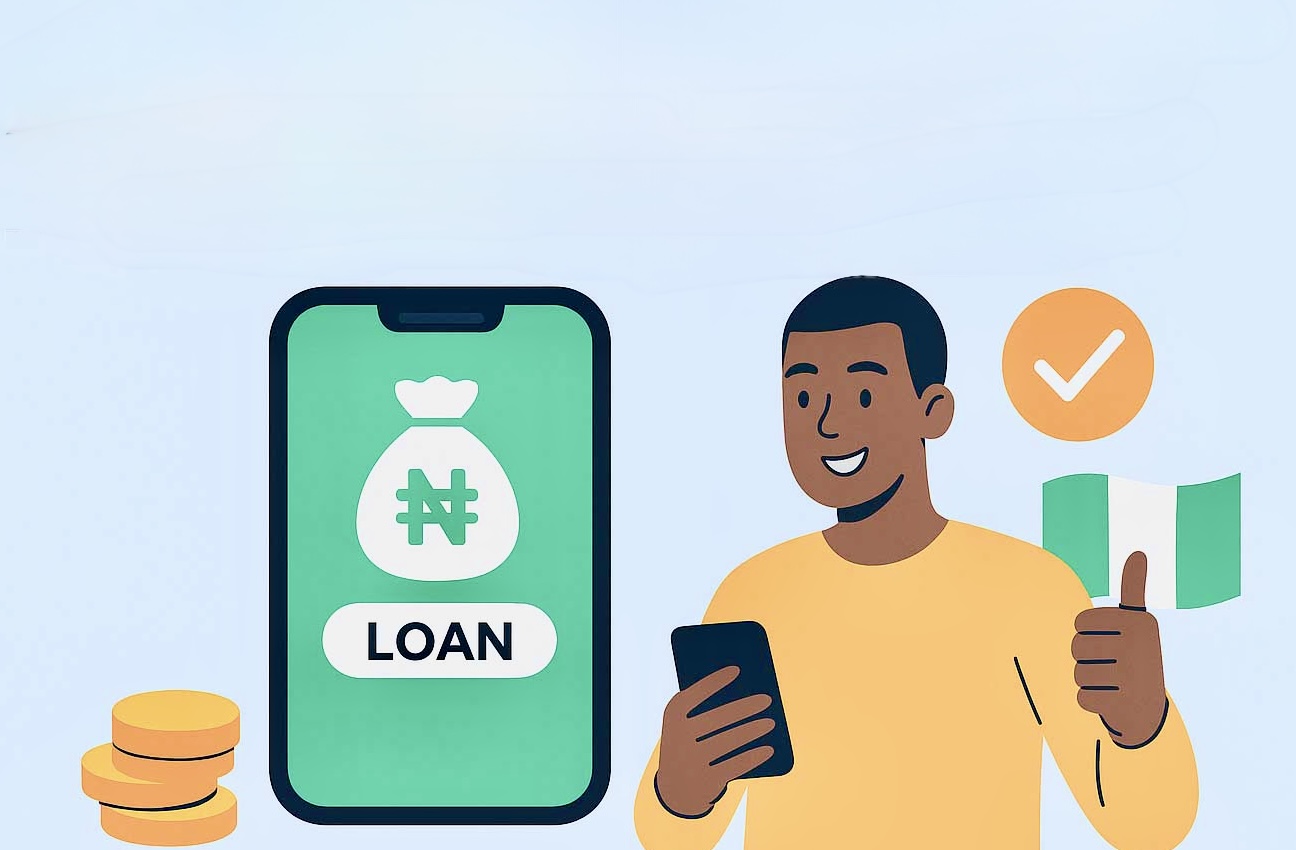
In today’s business reality, steady access to money is what keeps many small and growing businesses alive. Without it, even strong ideas can struggle to survive. That is why microfinance loans have become one of the quiet engines behind a lot of businesses you see moving smoothly today. While some people are still waiting for “big capital” from banks or investors, others are already using digital loan systems to keep their work active, restock goods, handle urgent expenses, and maintain cash flow without stopping operations.
The financial space has also changed completely with technology. Almost everything now runs through mobile systems, and lending is not left out. Microfinance banks and loan apps have moved from physical paperwork and long queues into fully digital platforms where users can apply, get approval, and receive funds directly into their accounts within minutes or hours depending on their profile. This shift has made borrowing more accessible, especially for small traders, freelancers, and people running daily income businesses.
At the same time, many of these platforms now rely on automated systems and data-driven decisions to approve loans. Some even integrate smart digital tools to assess repayment behavior and user reliability. Because of this, loan apps have become both helpful and strict at the same time. Helpful when used responsibly, but very firm when repayment rules are ignored.
That is why before using any microfinance loan app or digital lending platform, it is important to understand how it works, how repayment is structured, and what consequences come with delay. Many users jump in without full knowledge, and that is where problems usually start.
How Microfinance Loan Apps Actually Work
Microfinance loan apps operate using a simple digital lending structure. Instead of visiting a bank branch, everything happens through your mobile phone. Once you register, the system begins to evaluate your profile using basic data such as phone usage history, repayment behavior (if you’ve borrowed before), income flow patterns, and sometimes transaction activity.
After evaluation, the app assigns a loan limit. This limit is not fixed for everyone. It grows over time if you repay on schedule and reduces if you default or delay payments.
Once approved, the loan is transferred directly into your bank account or wallet. Repayment is usually set within a short cycle ranging from days to a few weeks depending on the platform.
Key Features You Will Commonly See in Loan Apps
- Most microfinance loan apps share similar features even if their branding differs.
- First is fast application processing. You don’t need paperwork or physical verification in most cases. Everything is done online.
- Second is instant disbursement. Once approved, funds are released quickly without delays.
- Third is flexible loan scaling. Your loan amount increases gradually based on trust and repayment history.
- Fourth is automated repayment tracking. The system monitors due dates and sends reminders before and after deadlines.
- Lastly, penalty systems are clearly built in. Late repayment usually attracts extra charges, and repeated default can limit future borrowing access.
Benefits of Using Microfinance Loan Apps
- One of the biggest advantages is accessibility. Even small business owners or individuals without formal employment records can apply.
- Another benefit is speed. Traditional bank loans can take weeks, but digital loan apps reduce that waiting time drastically.
- It also helps with emergency funding. Many users rely on it for urgent stock refill, transport needs, medical expenses, or short-term business gaps.
- For disciplined users, it also helps build a financial record that can improve future loan approvals.
Risks You Must Understand Before Borrowing
Even though these apps are helpful, they come with responsibilities.
- The first risk is high interest rates in some platforms. Because loans are short-term, repayment amounts can increase quickly if not planned properly.
- The second risk is credit damage. Missing repayment deadlines can affect your borrowing history and reduce future access.
- Another issue is pressure from strict repayment systems. Some apps enforce automated reminders and penalties without flexibility.
This is why borrowing without a clear repayment plan is never a good idea.
Step-by-Step Guide to Applying
- Step one is downloading a verified loan app from a trusted source.
- Step two is registration using your correct personal details such as phone number, bank account, and identification if required.
- Step three is allowing the app to access necessary permissions for verification.
- Step four is checking your loan limit after approval.
- Step five is selecting the amount you need and confirming repayment terms.
- Step six is receiving funds and using them responsibly for intended purposes.
- Step seven is repaying on or before due date to maintain a good borrowing record.
Simple Tips to Use Loan Apps Wisely
- Always borrow only what you can comfortably repay without stress.
- Avoid using loans for unnecessary spending that does not generate value.
- Keep track of repayment dates so you don’t miss deadlines.
- Try to build repayment consistency so your loan limit can increase over time.
Most importantly, treat loan apps as financial support tools, not free money.
Frequently Asked Questions (FAQ)
Can anyone apply for microfinance loan apps?
Yes, most apps are open to individuals, but approval depends on your profile and verification.
How fast is loan approval?
It usually takes minutes to a few hours depending on the platform.
What happens if I don’t repay on time?
You may face penalties, reduced loan limits, or restricted access to future loans.
Can loan limits increase?
Yes, consistent repayment improves your loan eligibility over time.
Conclusion
Microfinance loan apps have become an important part of today’s financial system, especially for people who need quick access to funds without going through traditional banking stress. When used properly, they can support small businesses, help manage emergencies, and improve financial stability.
However, they require discipline. Understanding how they work, planning repayment, and borrowing responsibly is what separates users who benefit from them and those who struggle with debt issues.